
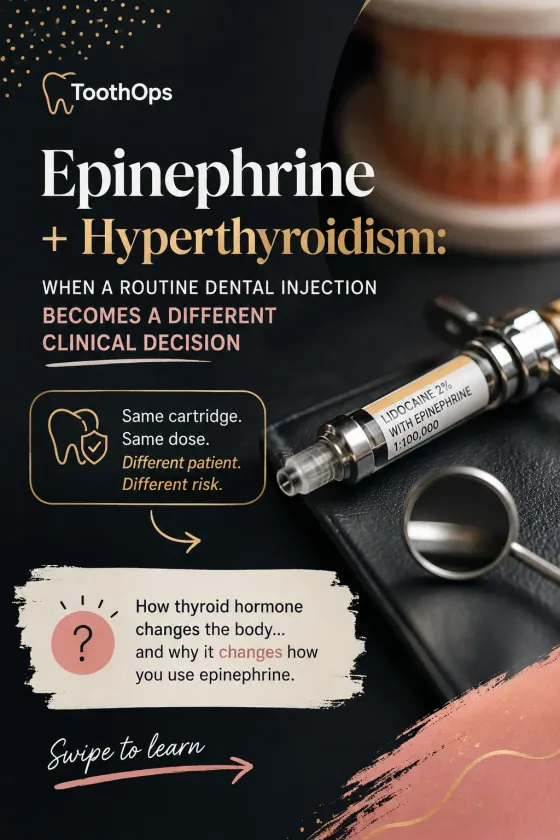
💉 Epinephrine + Hyperthyroidism
You reach for one of the most familiar cartridges in dentistry:
The ToothOps blog
132 articles on dental school, applications, clinical science, and oral health — written to make hard things feel clear.
You reach for one of the most familiar cartridges in dentistry:
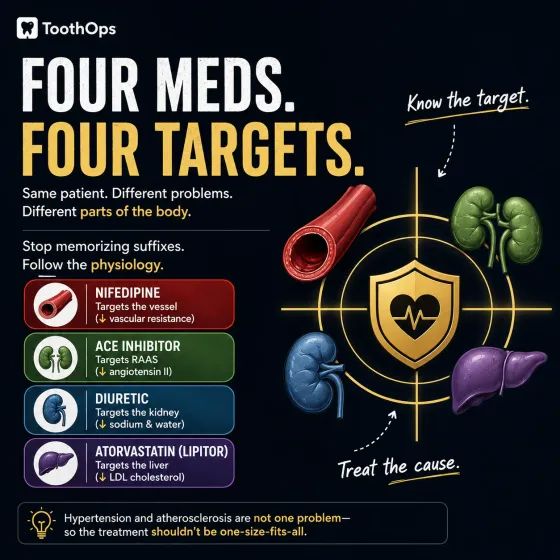
But it does not explain why the same patient needs all four medications—or what any of them means when that patient sits in your dental chair.
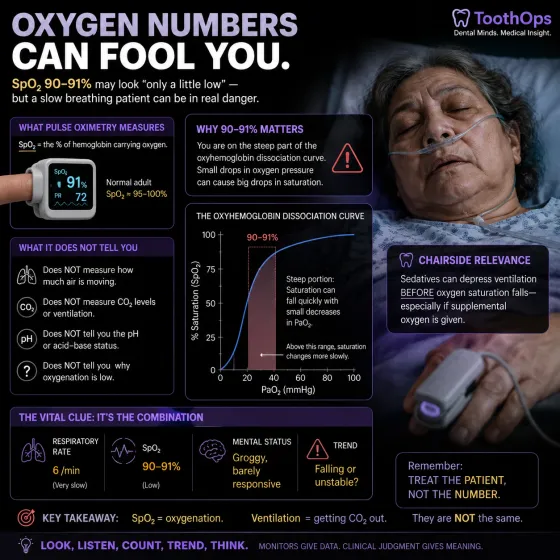
A pulse ox number can look only mildly abnormal while the patient’s breathing is becoming seriously abnormal.
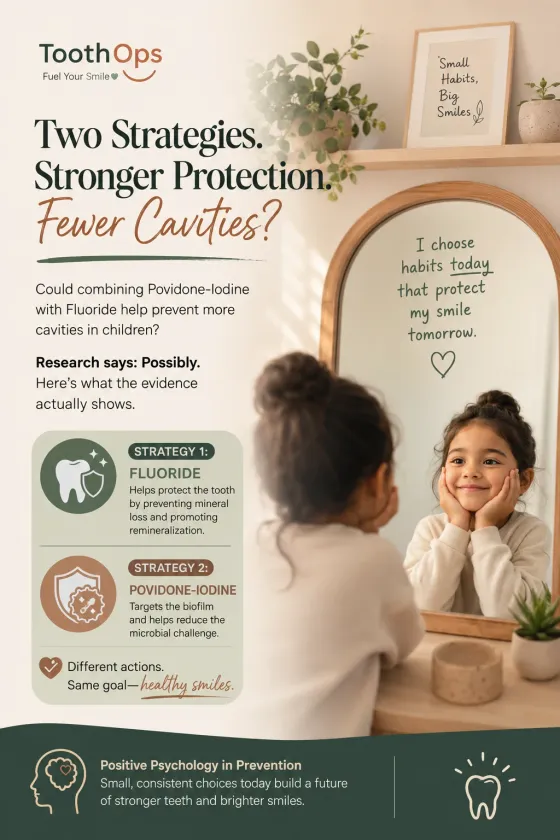
Fluoride strengthens the tooth. Povidone-iodine targets the biofilm. Could combining the two provide better protection against dental caries—especially for children at high risk?
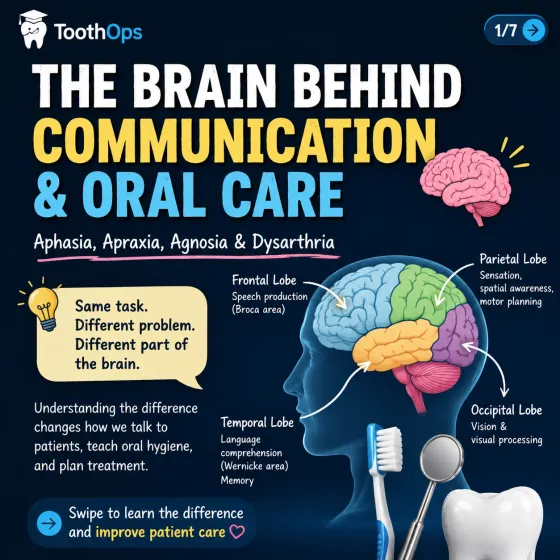
After a stroke or other brain injury, a patient may have trouble speaking, following instructions, recognizing objects, or performing familiar tasks such as brushing their teeth.
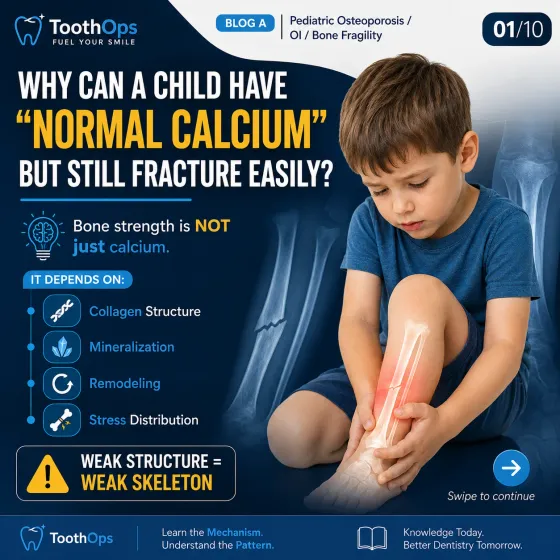
Most people hear the word “osteoporosis” and immediately think about elderly adults.
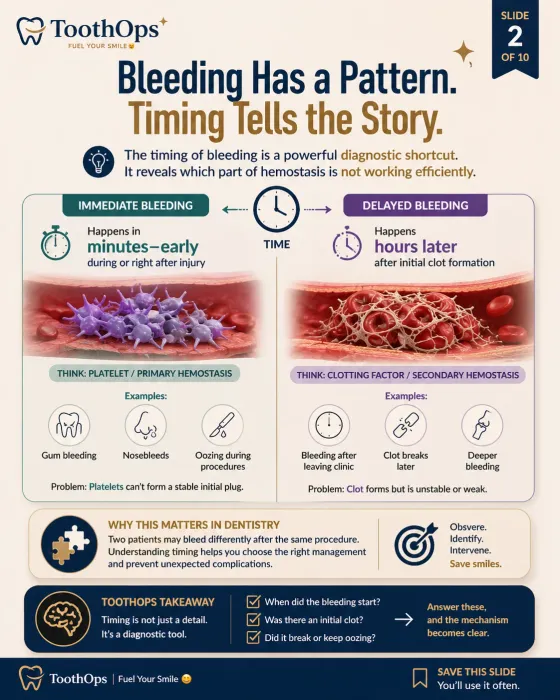
👉 Bleeding timing reflects which layer of hemostasis failed:
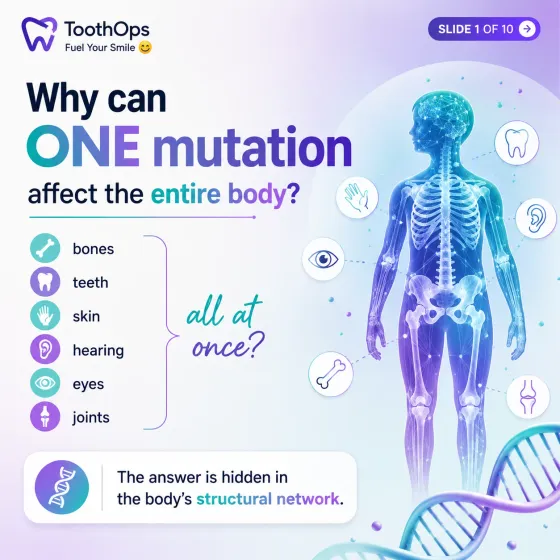
But biologically, many of them originate from damage to the same hidden system:👉 the extracellular matrix.
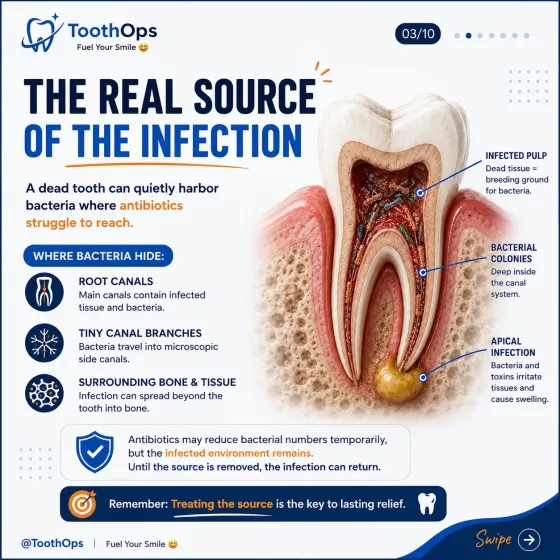
When most people think about infection, they think about antibiotics.
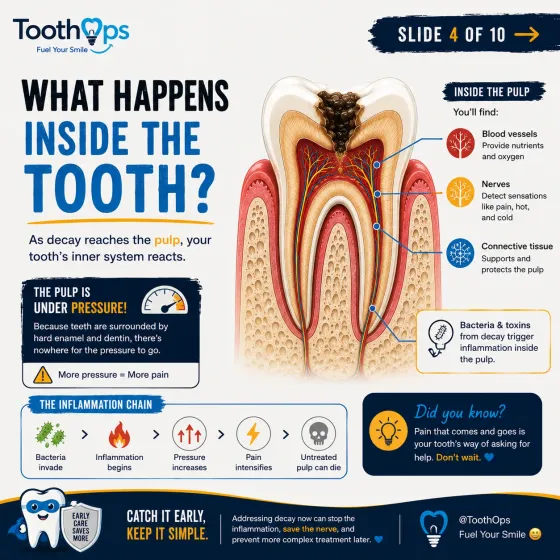
A tiny area of tooth decay may take months—or even years—to become noticeable. Because early cavities often cause little or no pain, many people delay treatment.
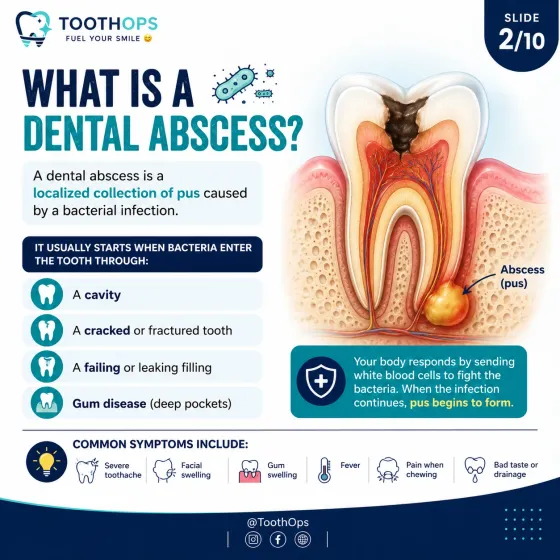
You took the antibiotic exactly as prescribed. A few days later, your tooth still hurts, your face is swollen, and you are wondering why the medication is not working.
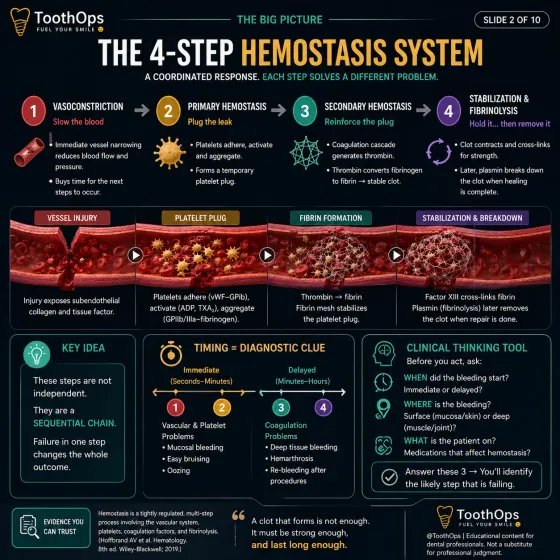
👉 Bleeding stops only if FOUR systems work—together, in sequence, and with the right timing.
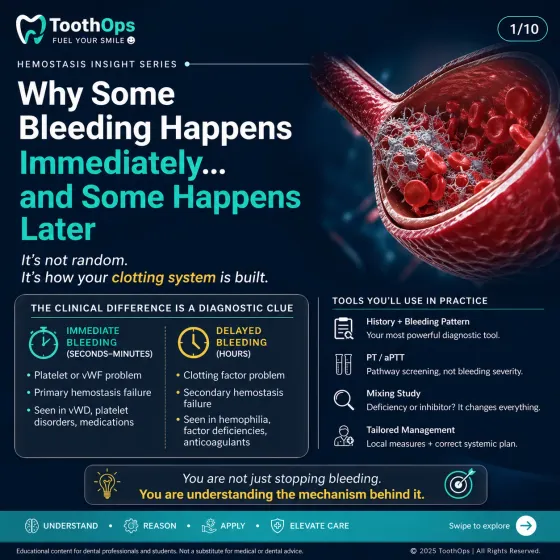
If bleeding starts immediately → think plateletsIf bleeding starts later → think clotting factors
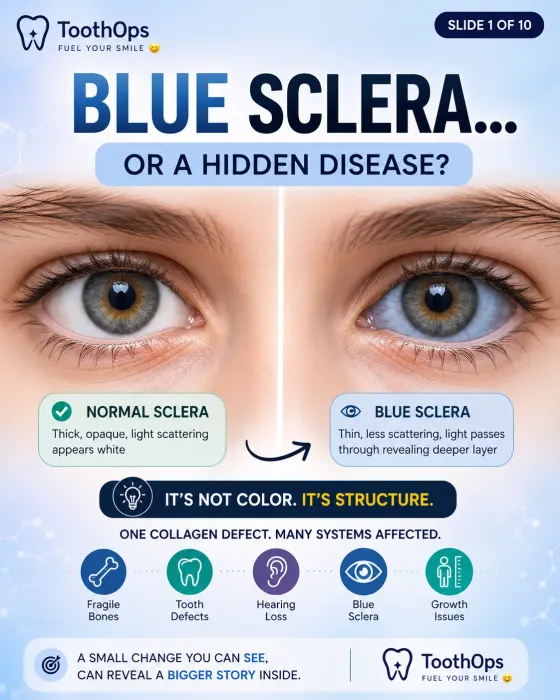
👉 Why did the tissue become transparent enough to change color?
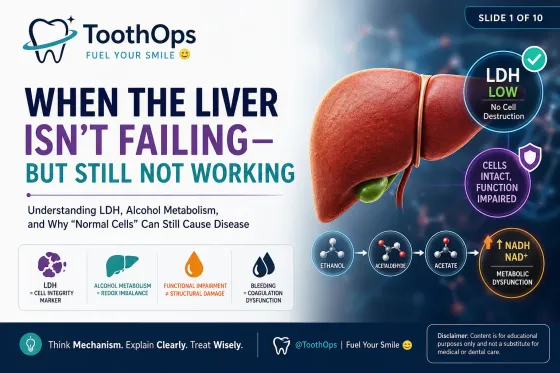
That’s exactly what happens with lactate dehydrogenase (LDH).
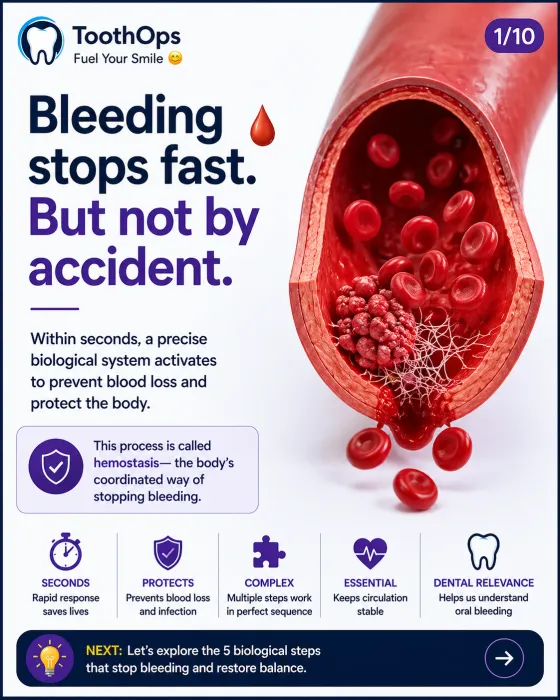
Bleeding is something most of us encounter in small ways—a nick while flossing, a cut while cooking, or bleeding gums during brushing.
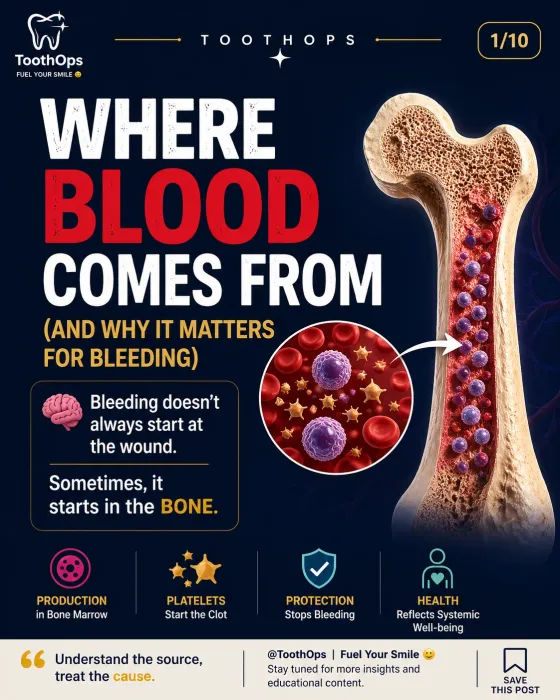
👉 “Does the body have the cells it needs to clot in the first place?”
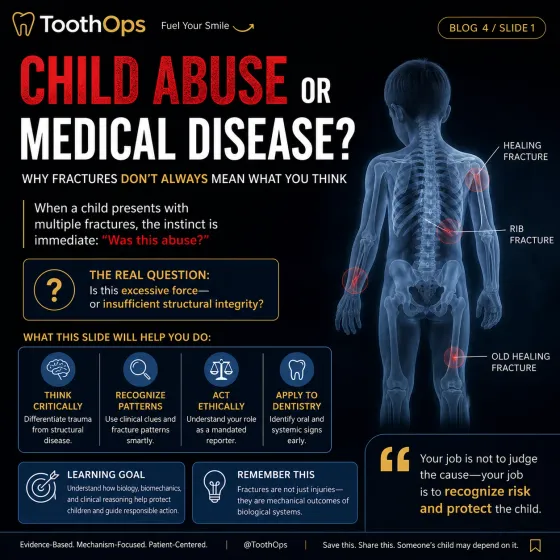
When a child presents with multiple fractures, the instinct is immediate:
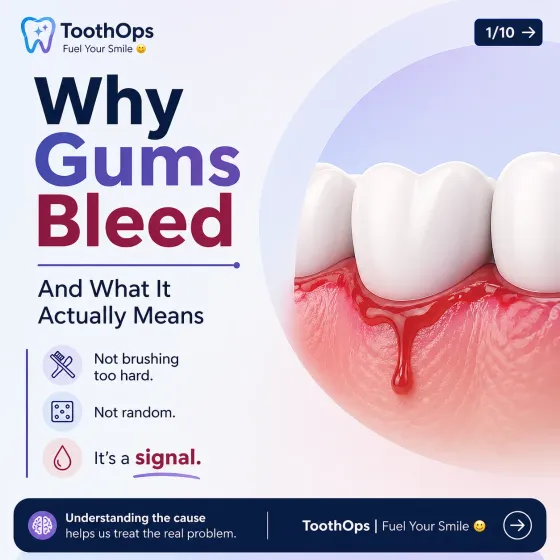
Gum bleeding is not random—it is a microvascular signal that something has changed beneath the surface
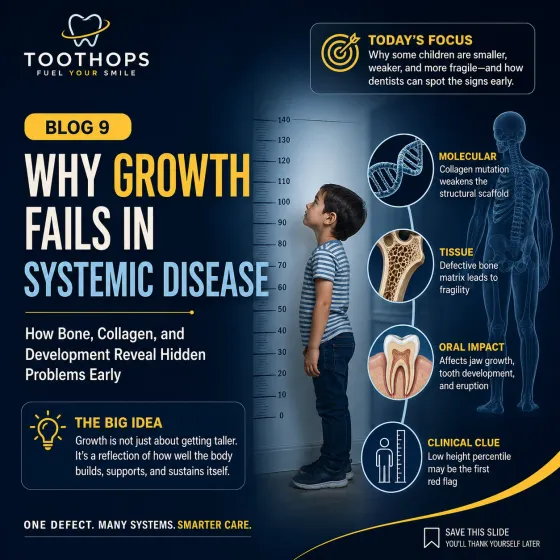
When a child is significantly smaller than expected, the question is not simply:
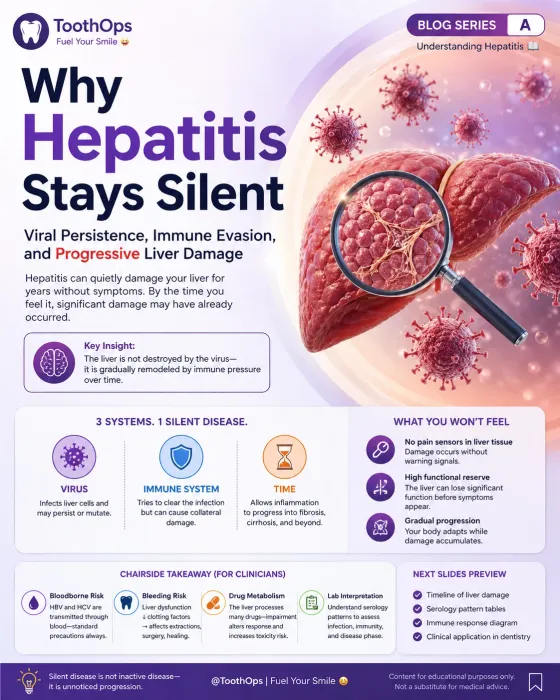
“Do I feel sick?”“Will I notice it?”“Is it serious right now?”
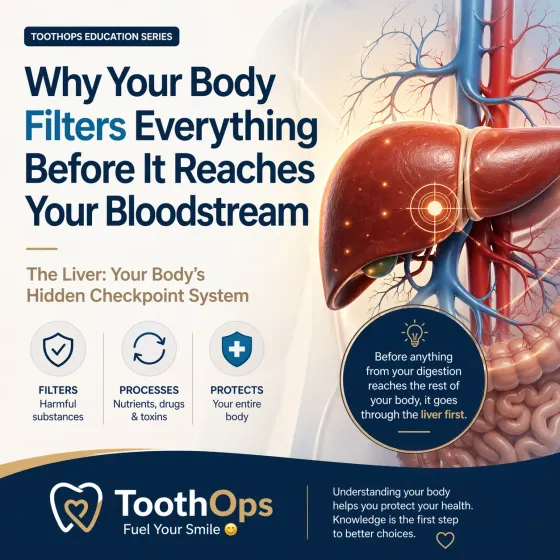
After digestion, substances absorbed from the gastrointestinal tract—including nutrients, microbial products, and environmental compounds—do not enter systemic circulation directly.
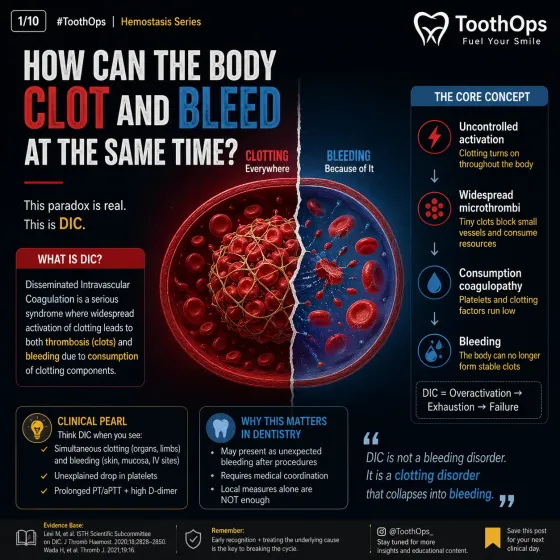
👉 Uncontrolled activation of coagulation → systemic clot formation → consumption of clotting resources → bleeding
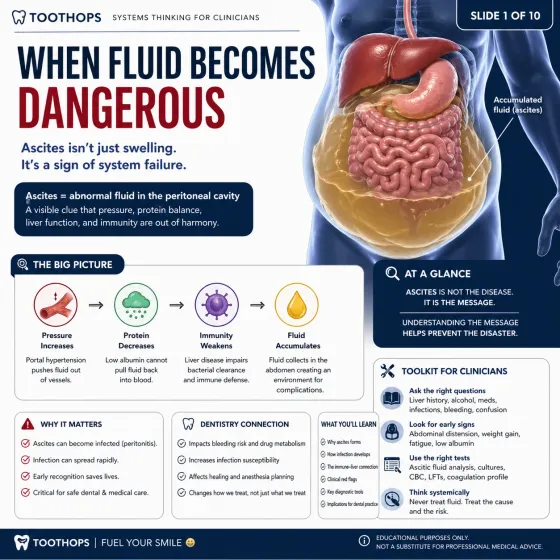
When these systems work well, fluid stays inside vessels, bacteria are controlled, and inflammation stays regulated.
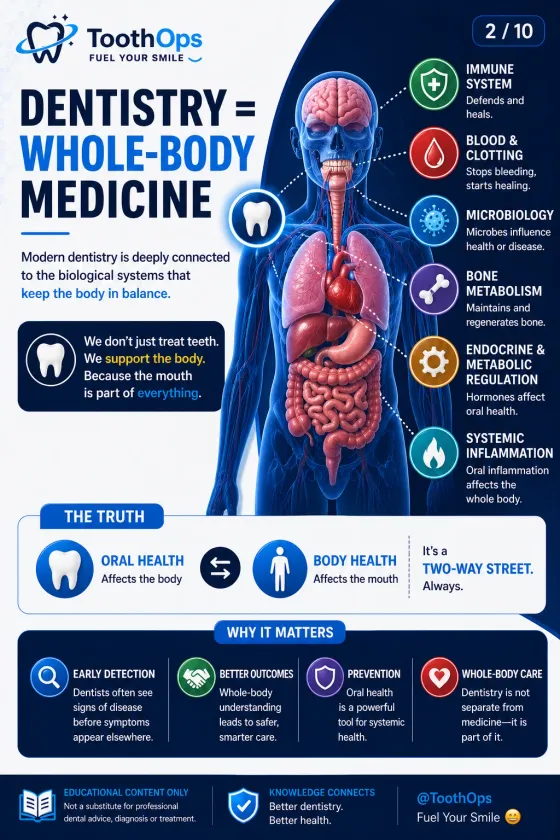
✨ The mouth is one of the most biologically integrated systems in the human body.
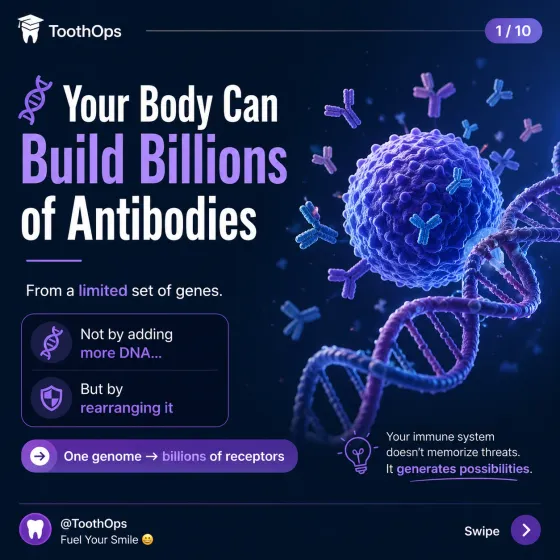
If your immune system had a LinkedIn, its headline would be:“Full-stack developer specializing in custom antibodies.”
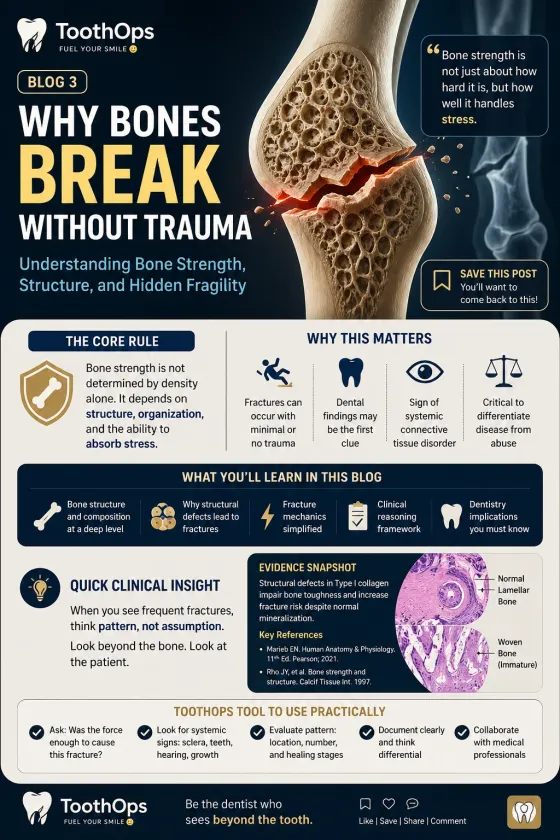
Bone strength is not just about how hard it is.It’s about how well it handles stress.
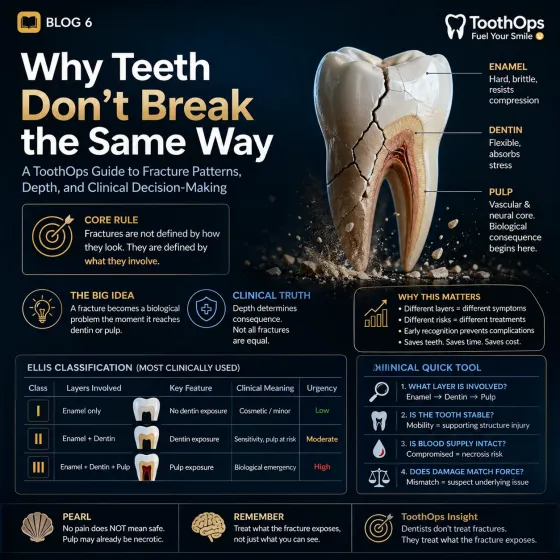
A tooth is not a solid object.It is a layered biomechanical system:
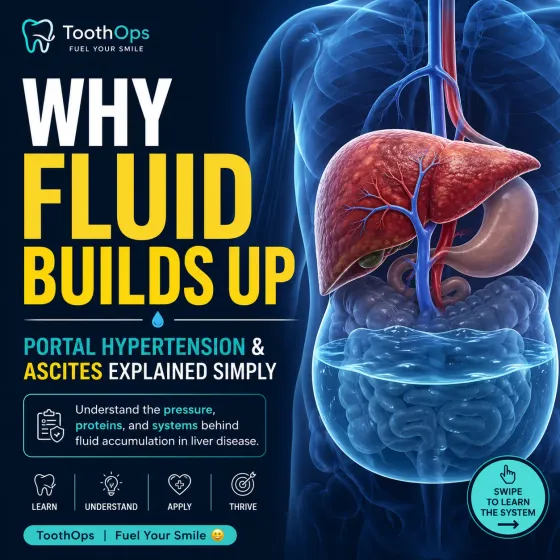
When fluid builds up in the abdomen, the real question is not simply:
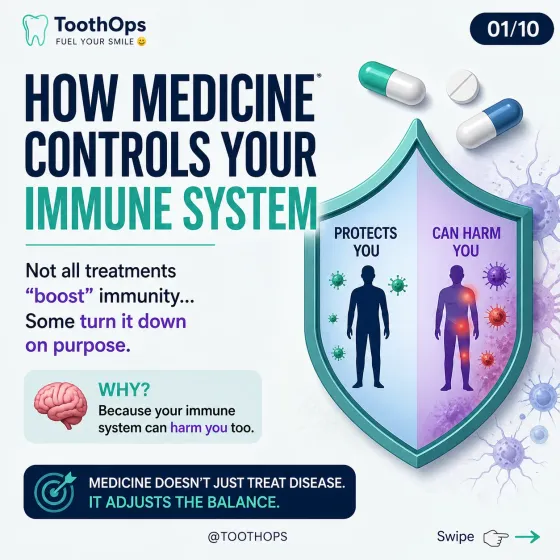
Many diseases are not caused by weak immunitybut by overactive or misdirected immune responses
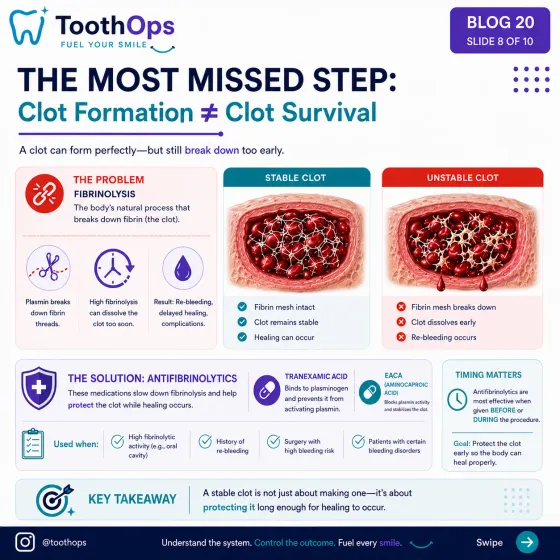
“Which component of hemostasis is most vulnerable under procedural stress—and how will that affect clot formation, stability, and resolution?”
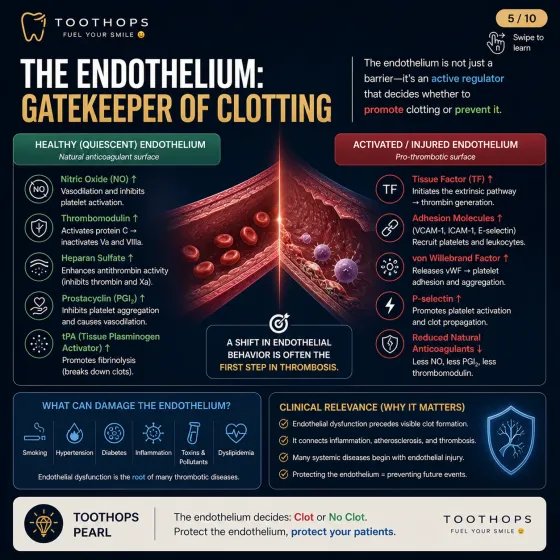
In fact, clotting is one of the body’s most important survival systems.
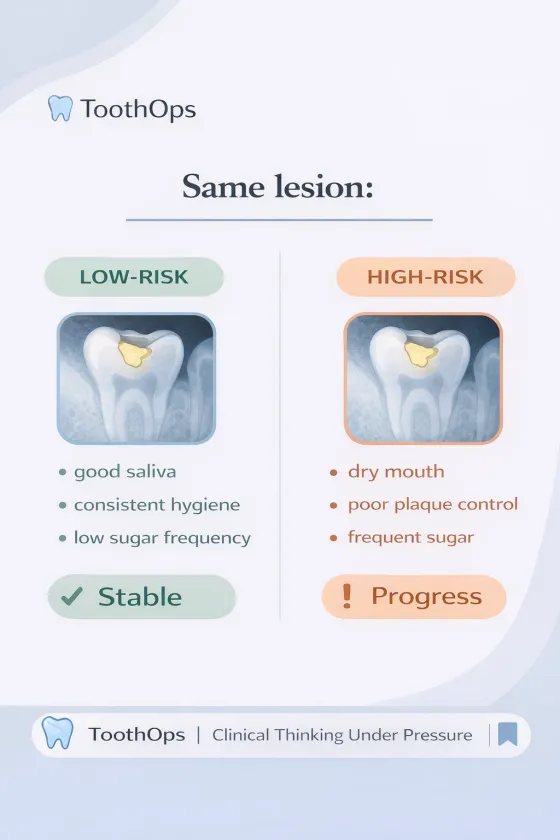
“The worse the cavity looks, the more aggressive the treatment.”
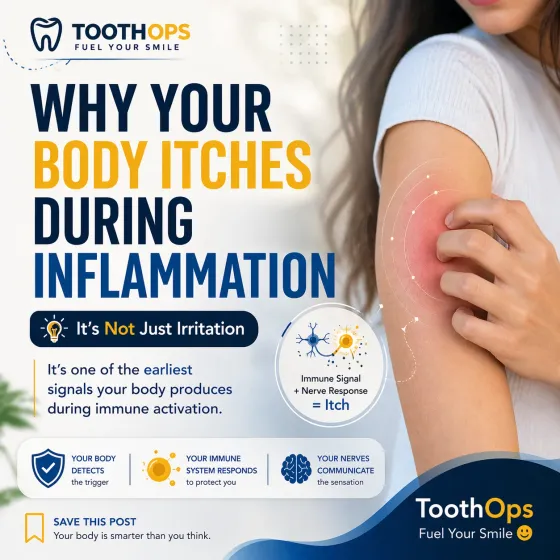
👉 It is one of the earliest signals your body produces during immune activation.
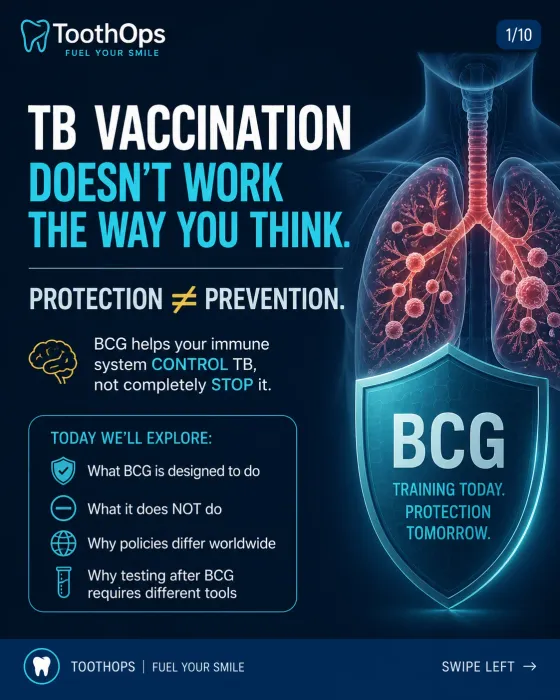
Most people hear “tuberculosis” and think of something old — a disease from history books, black-and-white photos, or global health lectures far away from daily life.
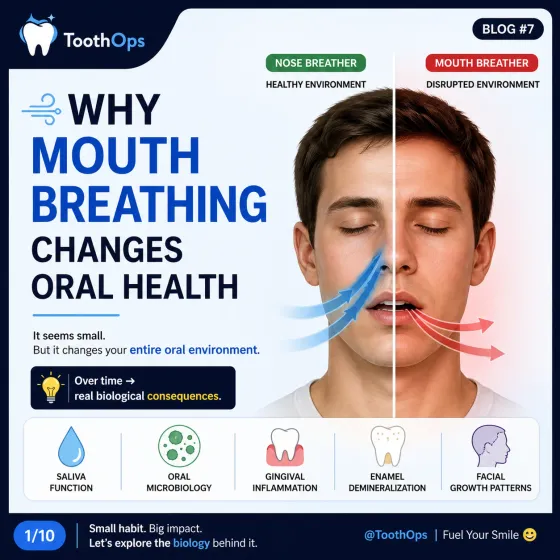
Yet the difference between breathing through the nose vs the mouth quietly changes the entire environment of the oral cavity.
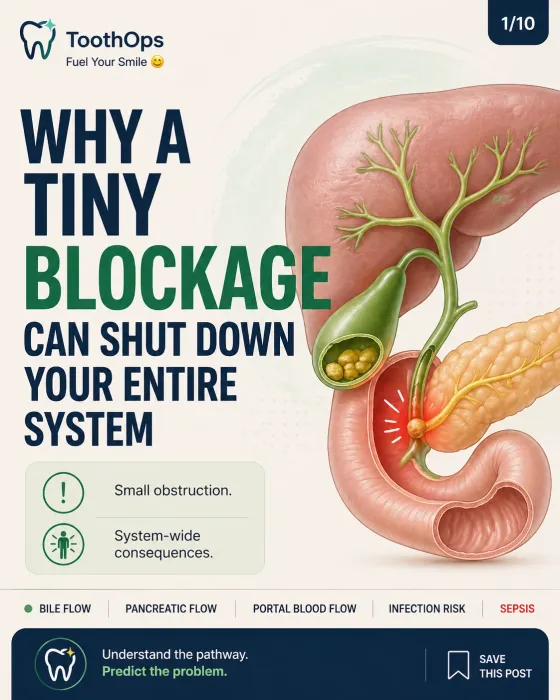
Think like a clinician. Understand like a patient. Remember like a visual system.
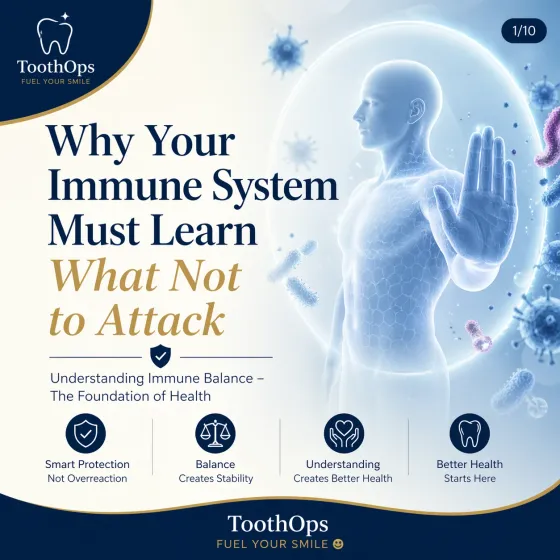
👉 It is because it has been trained not to respond unnecessarily.
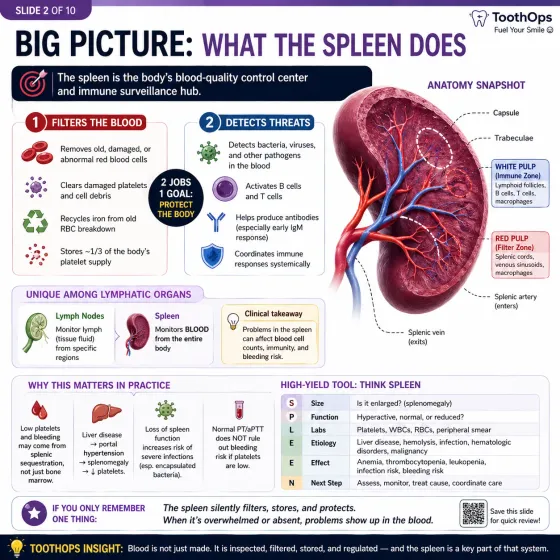
Most people think of blood as something that simply flows. But blood is constantly being inspected, cleaned, filtered, and regulated. The spleen is one of the main organs doing that work. The…
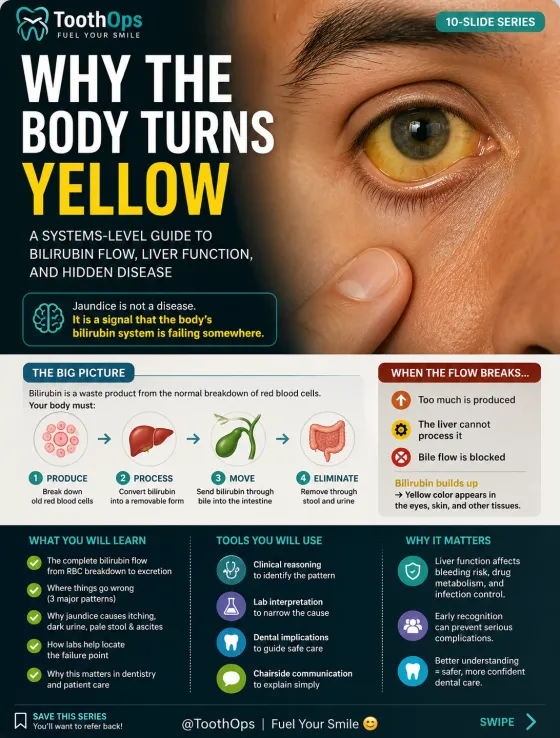
It is a visible sign that the body’s bilirubin system is not keeping up.
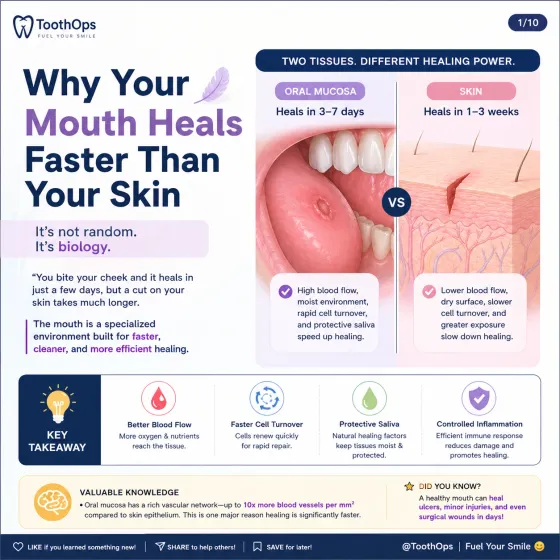
The Biology of Oral Healing — Blood Flow, Cells, Saliva, and Scar Control
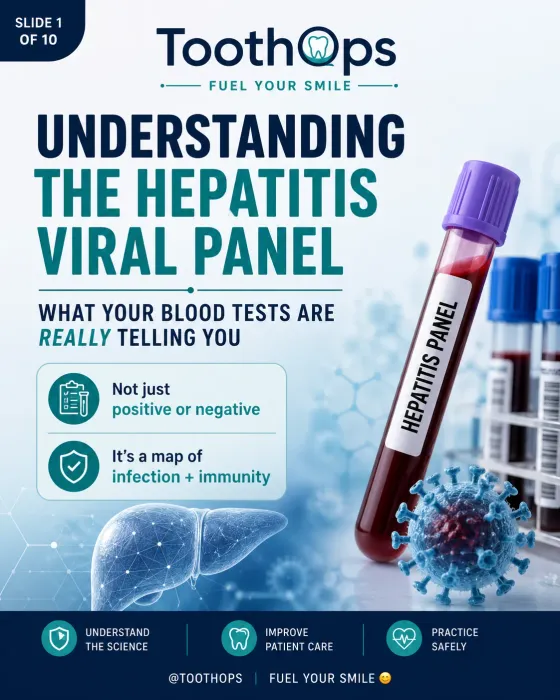
A patient may feel completely well, present with minimal symptoms, and still carry an active viral infection capable of transmission.
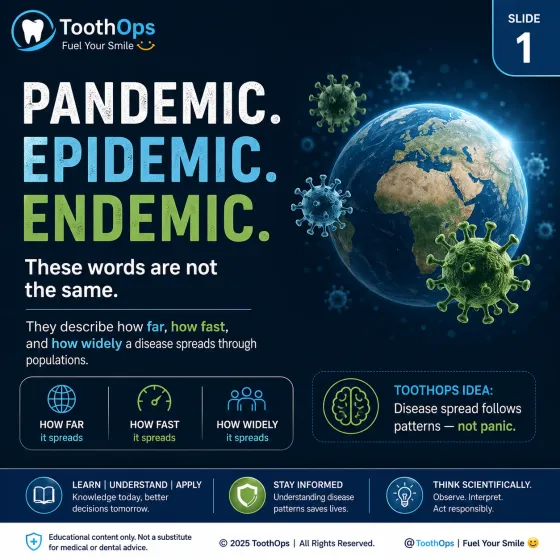
During the COVID-19 crisis, the word pandemic became part of everyday conversation.
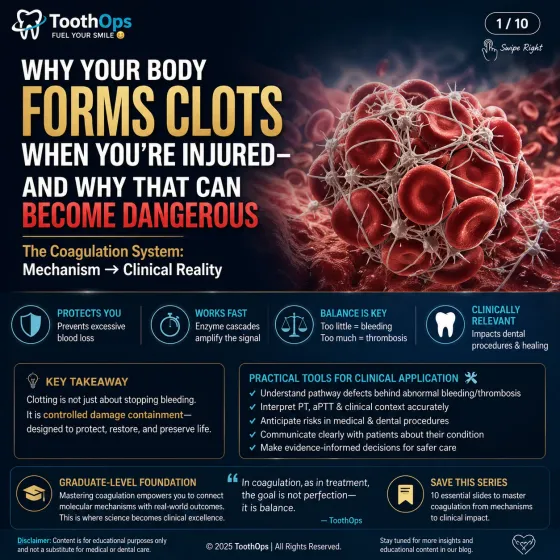
When tissue is injured, your body must solve two competing problems:
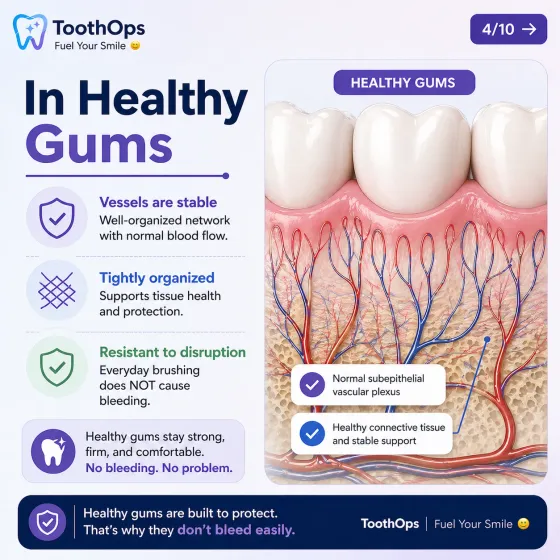
👉 These vessels interconnect to form dense capillary networks
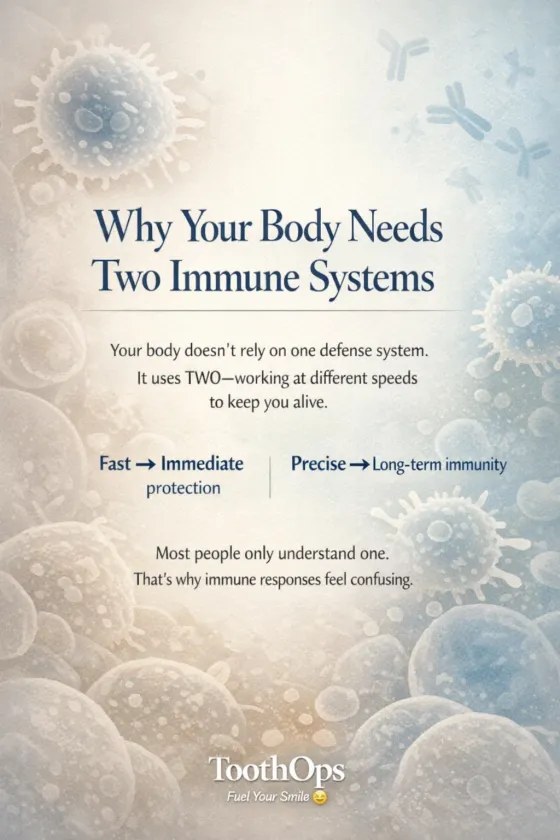
👉 an exaggerated immune response to an antigen that leads to tissue damage
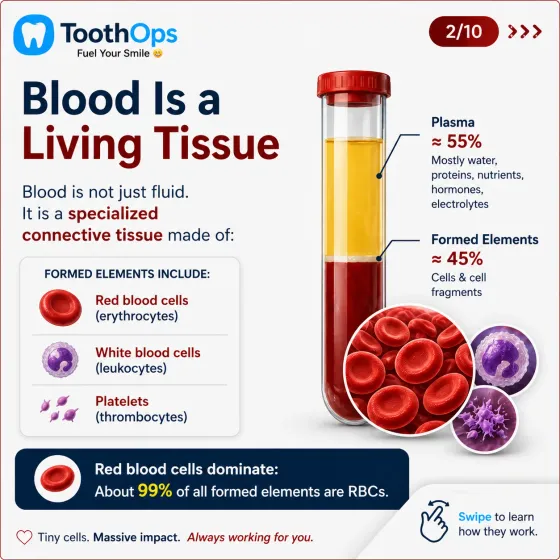
When people think about health, they often think about organs — the heart, the lungs, the brain.
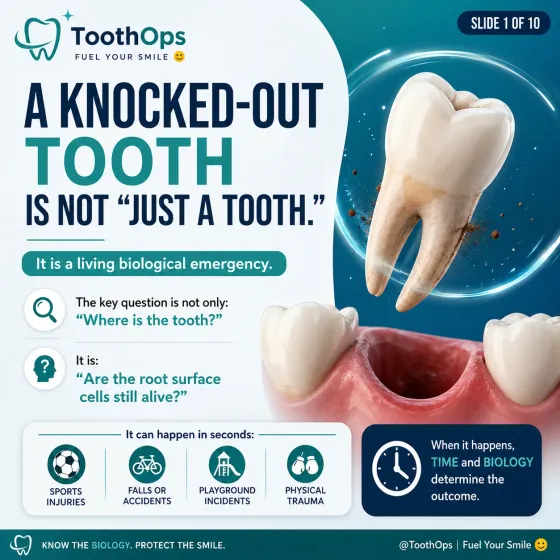
A tooth getting knocked out — called tooth avulsion — can happen in seconds.
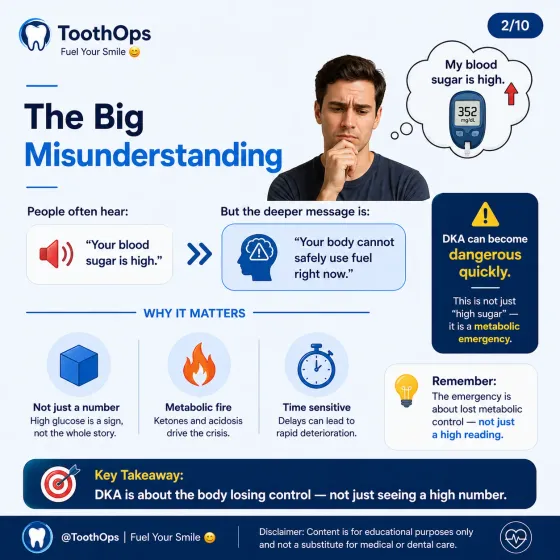
Many people think of diabetes complications as something that happens slowly — years of high blood sugar quietly affecting the body. So when someone suddenly becomes confused, dehydrated, short of…
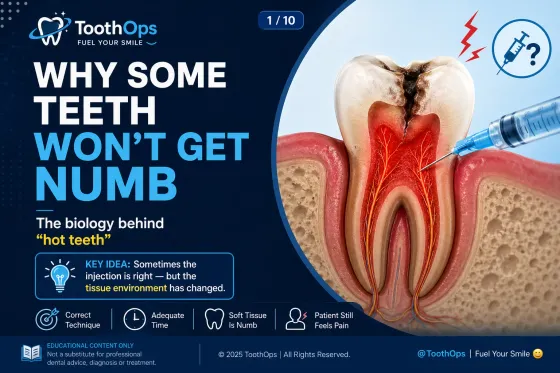
Few moments in clinical dentistry are more frustrating than when local anesthesia appears to fail.
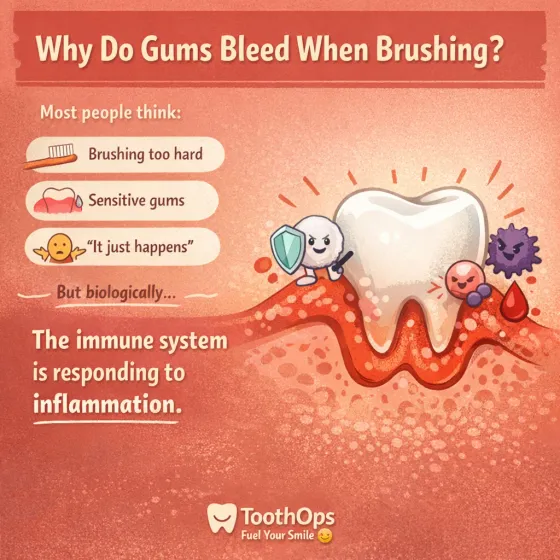
Many people notice a small amount of blood when brushing or flossing and assume one of two things:
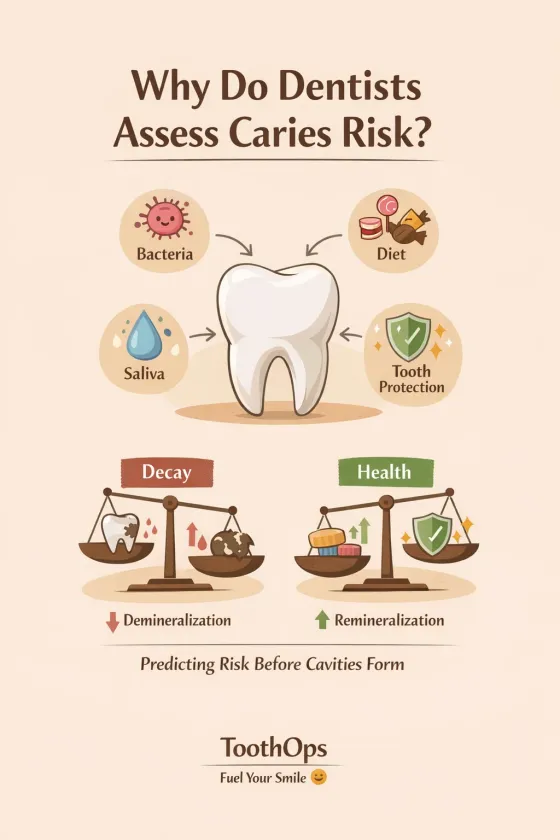
🤔 Why do some people brush twice a day and still get cavities — while others rarely develop them?
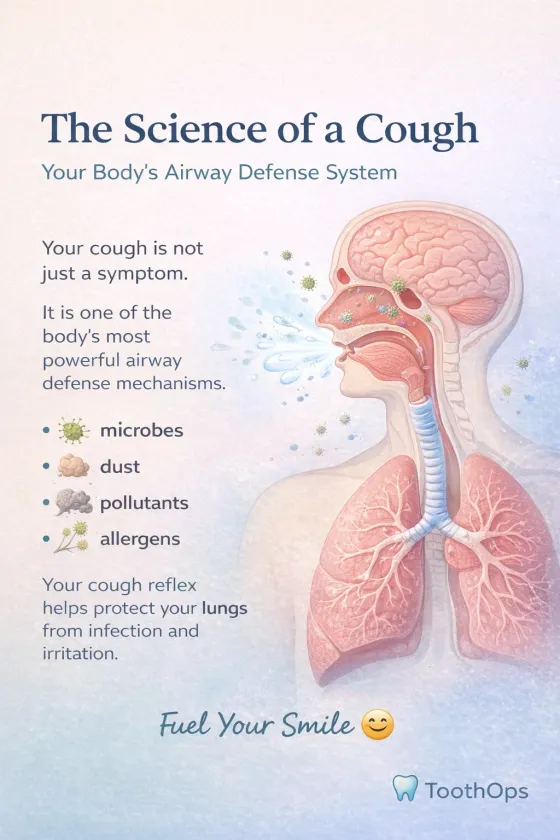
A cough may feel like an irritating symptom, but physiologically it is one of the most powerful defense mechanisms of the respiratory system.
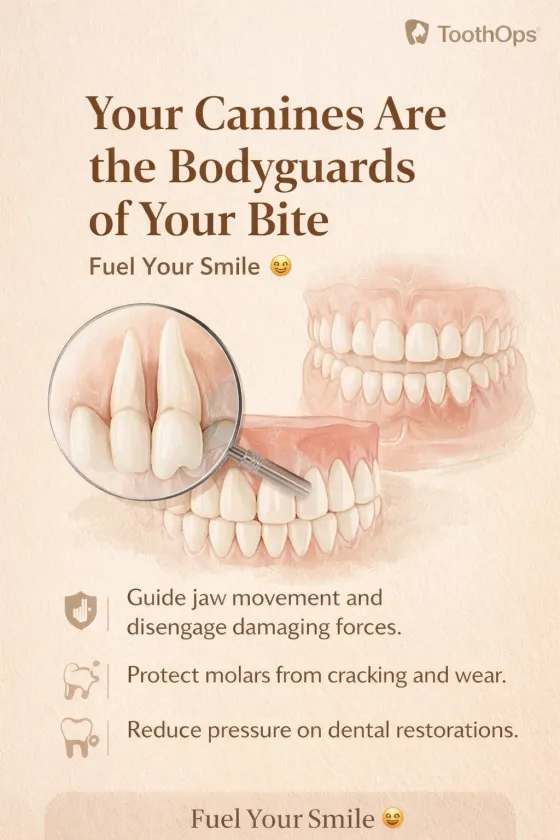
Among all teeth in the mouth, canines hold a unique and critical role.
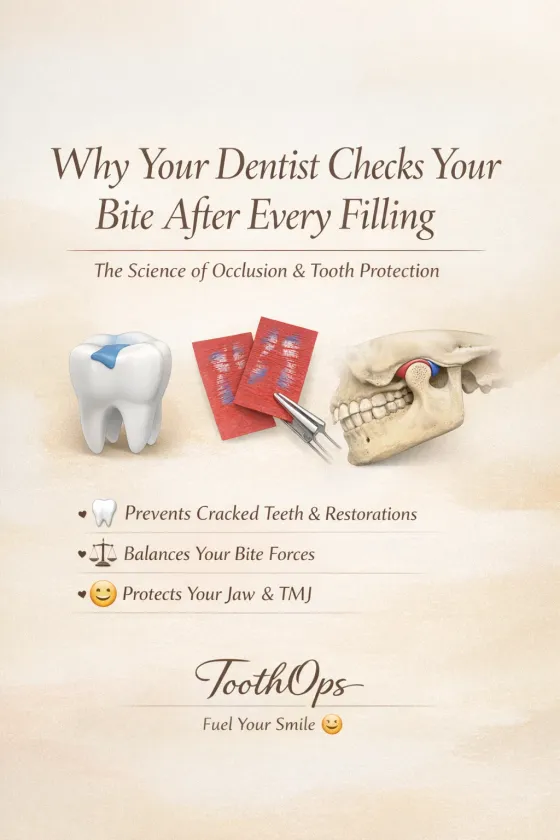
Most patients notice something curious after receiving a filling, crown, or other dental restoration.
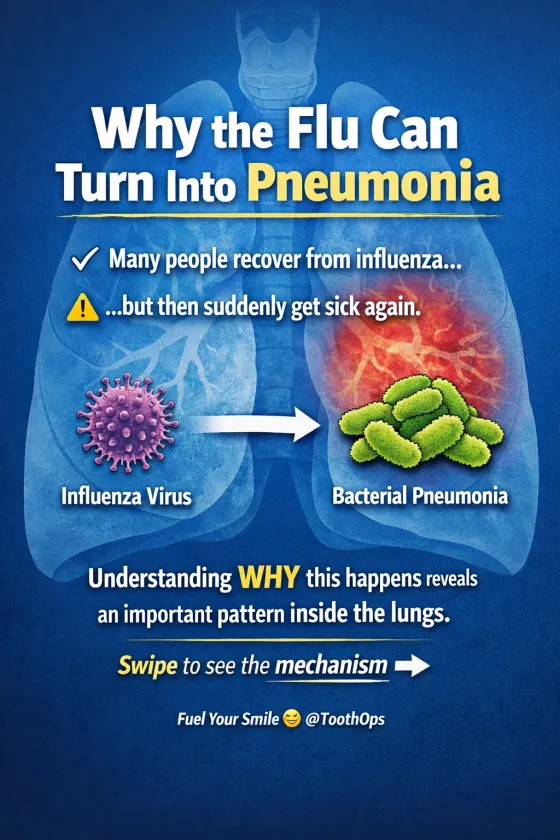
Each year, influenza causes millions of respiratory infections worldwide. Most cases resolve with rest and supportive care. However, clinicians frequently observe an important pattern:
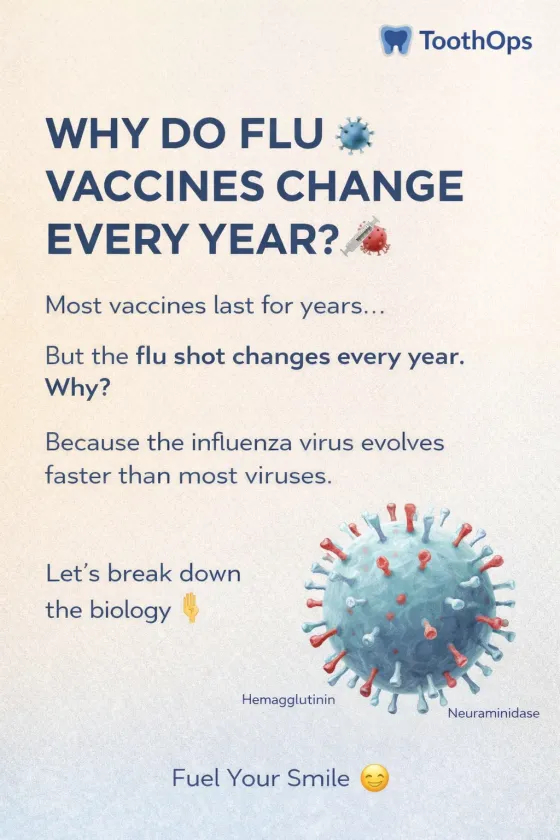
Every year, public health organizations recommend an updated influenza vaccine.
A systems-based explanation of bonding, layering, and why some restorations last longer than others
Many people want whiter teeth — but very few are actually told how tooth bleaching works, who it helps most, or when it’s not the right choice.
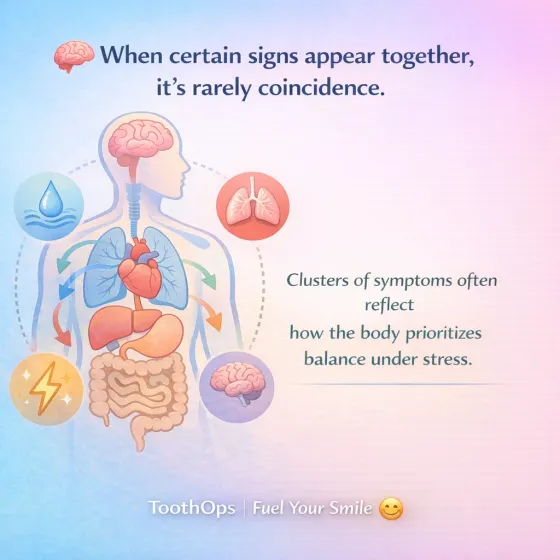
In clinics, classrooms, and everyday life, symptoms are often viewed one at a time.
When people hear “diabetes,” they often imagine a single disease with one problem: high blood sugar.In reality, Type 1 and Type 2 diabetes share a name but differ fundamentally in biology,…
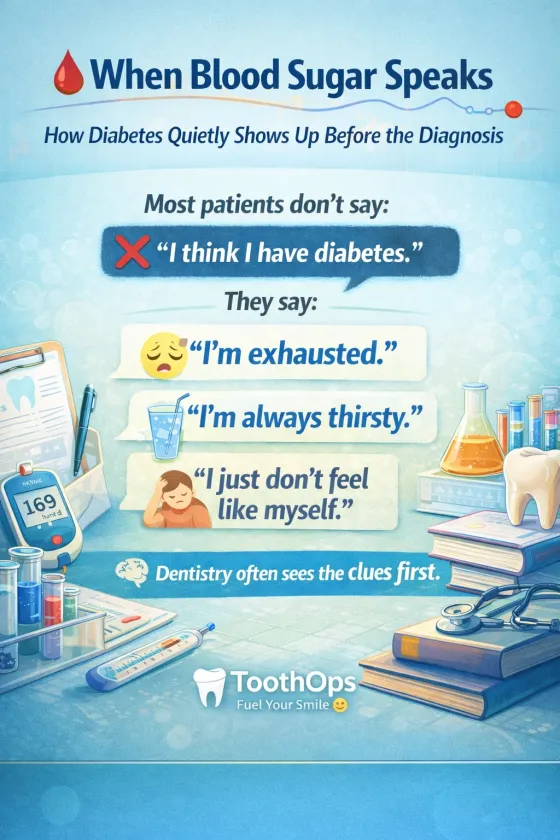
Most patients with diabetes don’t walk into a clinic saying, “I think my blood sugar is high.”What they say instead is far more subtle — and far more common:
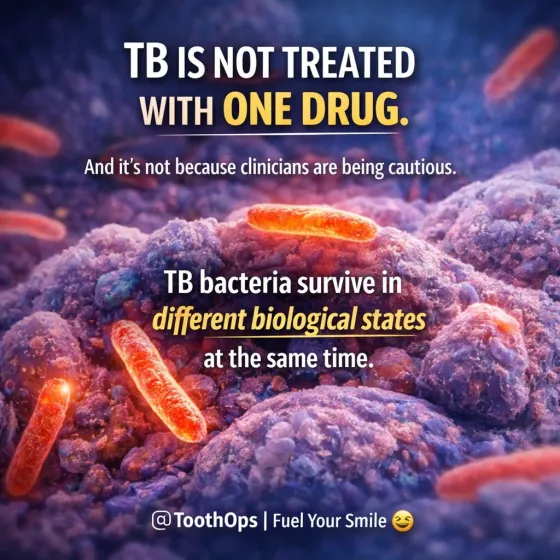
Tuberculosis is not treated with multiple medications because clinicians are being cautious.
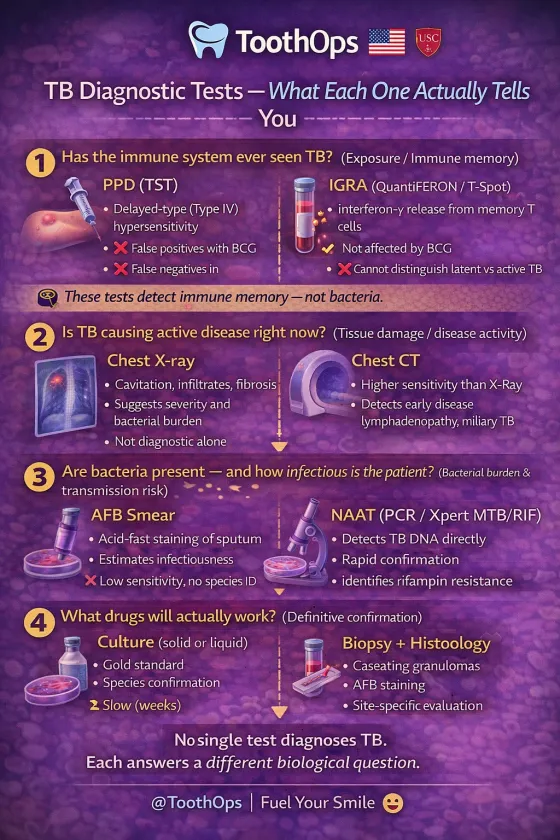
Tuberculosis (TB) is not diagnosed by “running all the tests.”
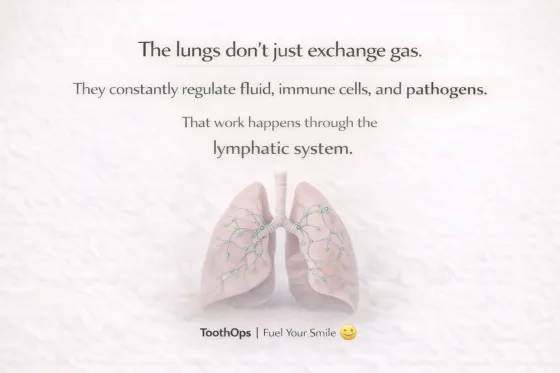
When clinicians interpret lung disease, they often start with airspaces and blood vessels.But many of the most telling clues travel a quieter route.
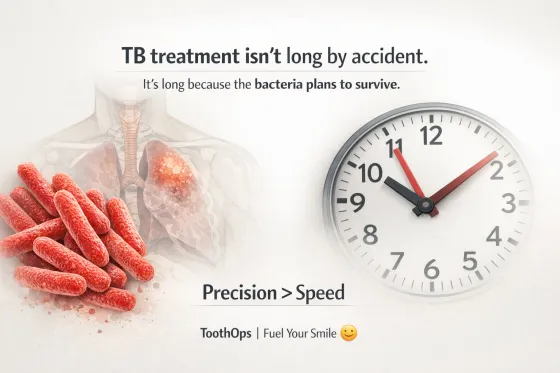
If tuberculosis could be treated like strep throat, it would be.
Most people think drug resistance happens when antibiotics are “used wrong.”
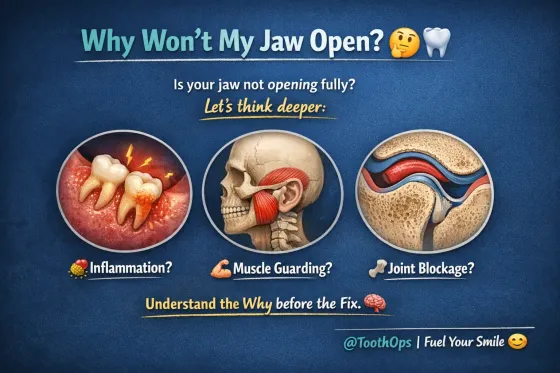
Jaw pain and limited mouth opening can feel alarming — especially when it appears suddenly.
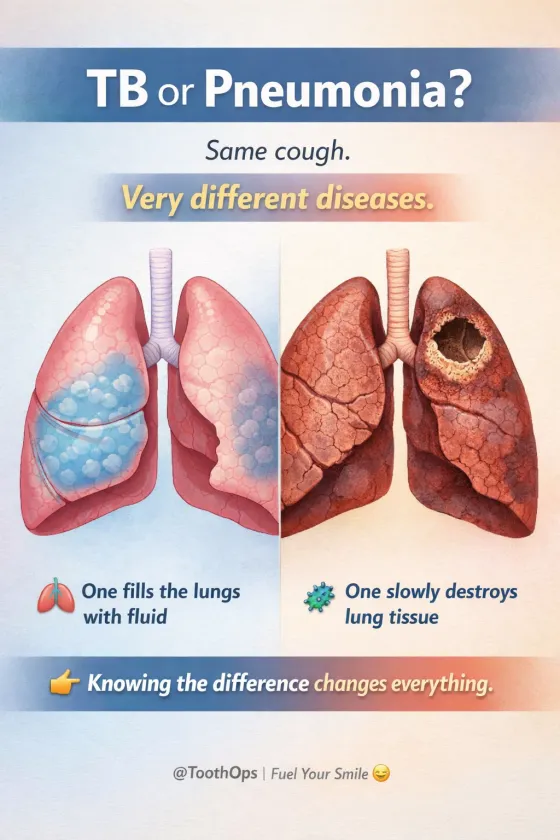
When someone has a cough, fever, or chest symptoms, two diagnoses often come up and cause confusion: tuberculosis (TB) and pneumonia.They both affect the lungs — but they behave very differently,…
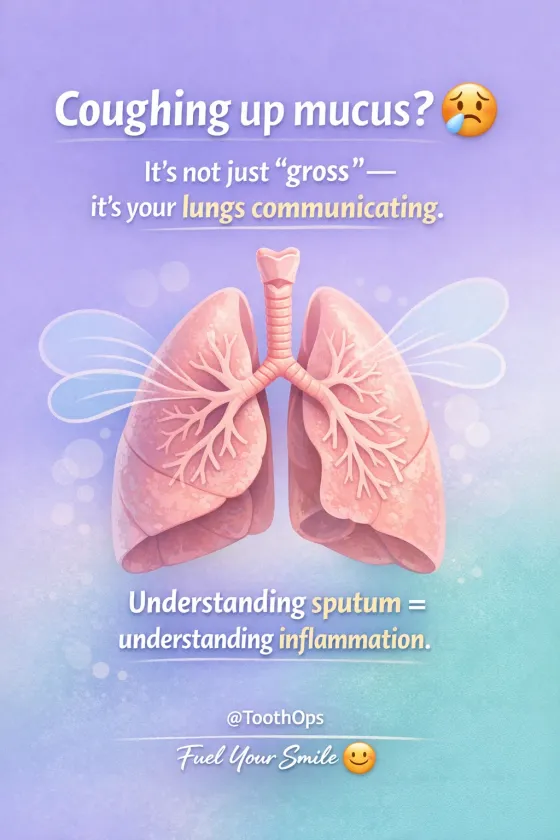
Most people notice mucus (phlegm) when they’re sick — but very few understand what it actually means.
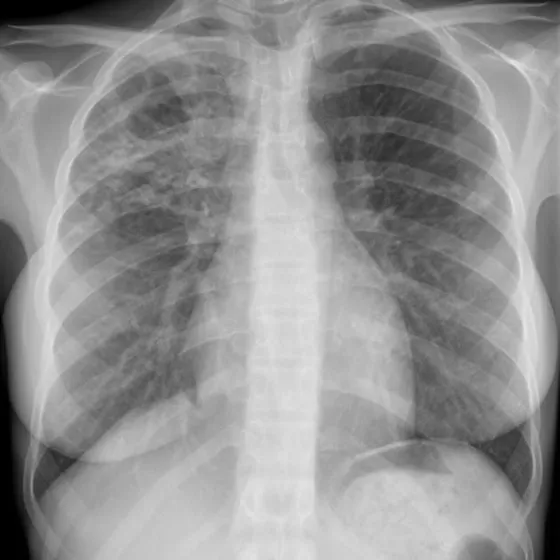
If chest X-rays and lung exam terms like egophony or apical crackles feel confusing, you’re not alone.Most students try to memorize them — when what you really need is a mental model.
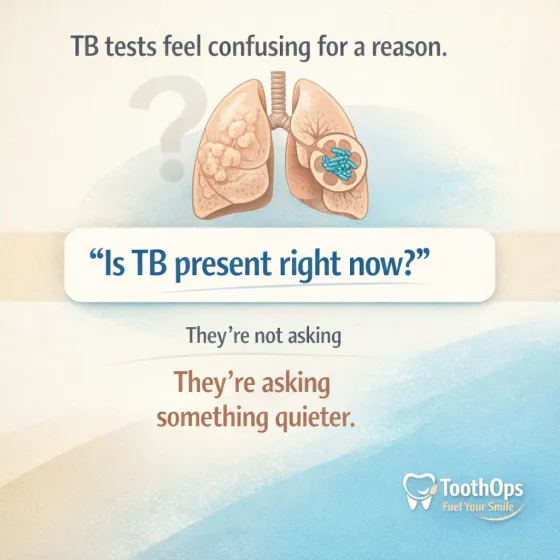
A comprehensive, anatomy- and immunology-driven guide to PPD, IGRA, and clinical reasoning
Vaccines save lives.They reduce suffering.And they are one of the most powerful tools in modern medicine.
A board-level look at granulomas, restraint, and clinical reasoning
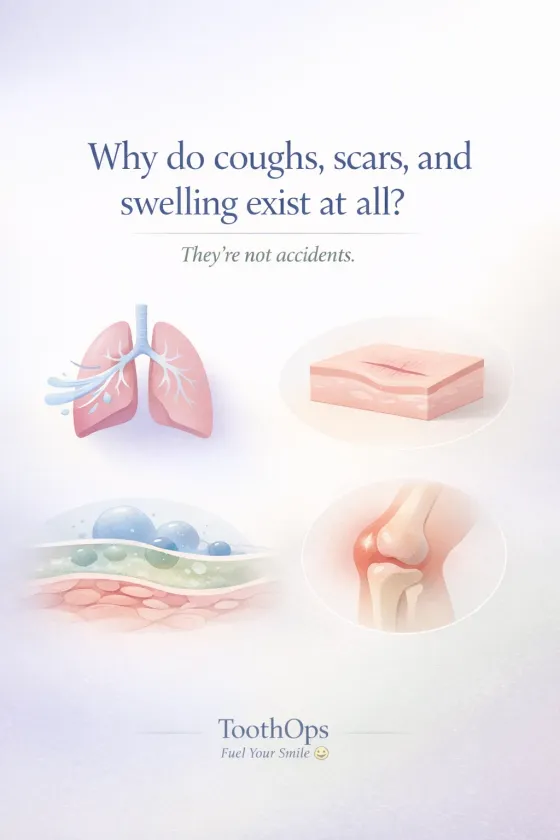
An explanation of the symptoms we try to silence — and why the body creates them
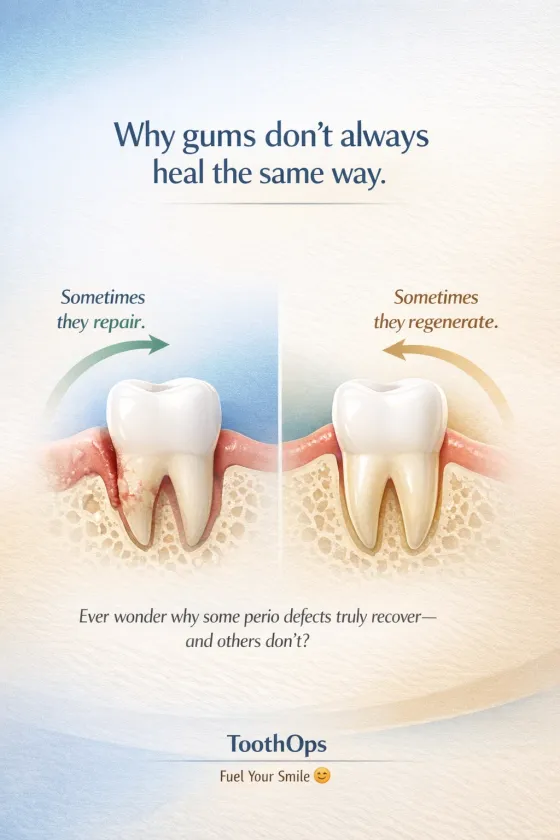
If you’ve ever sat in a periodontology lecture wondering why the tissue between the tooth and bone behaves unpredictably, you’re not alone.
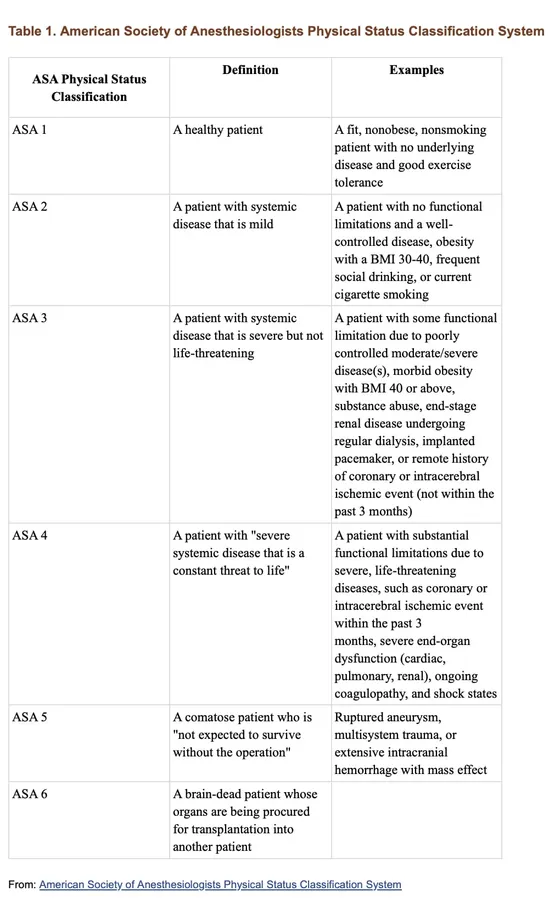
The American Society of Anesthesiologists (ASA) Physical Status Classification System is one of the most widely used tools in perioperative care — and one of the most frequently misunderstood.
Fluoride might be one of the most talked-about — and misunderstood — topics in dentistry.
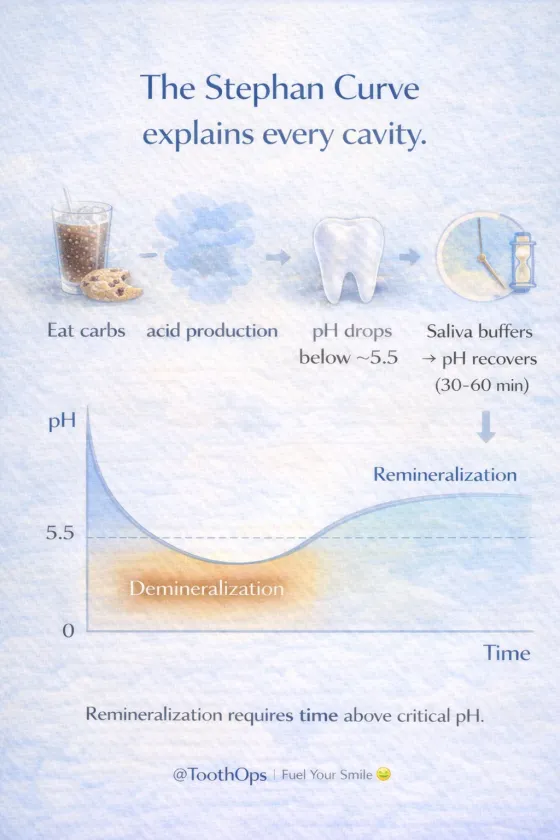
If you’ve ever felt guilty about enjoying dessert, here’s some great news:
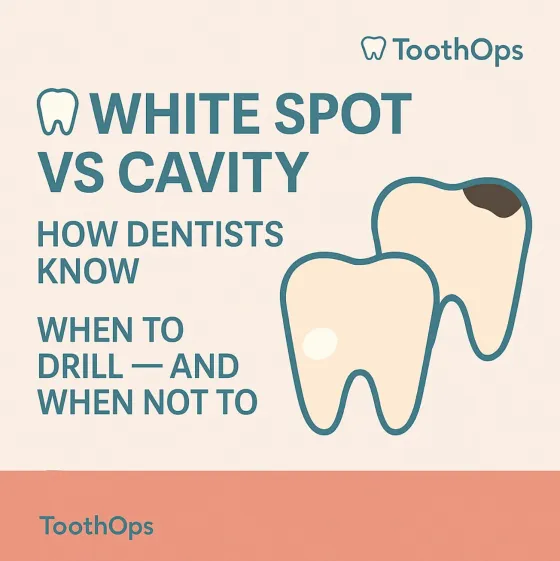
You’re brushing your teeth one night and suddenly notice a tiny chalky patch near your gumline. Cue the panic:
Fungal infections are one of the most fascinating — and misunderstood — topics in immunology. Unlike bacteria and viruses, fungi are eukaryotes with unique cell walls and slow replication cycles.…
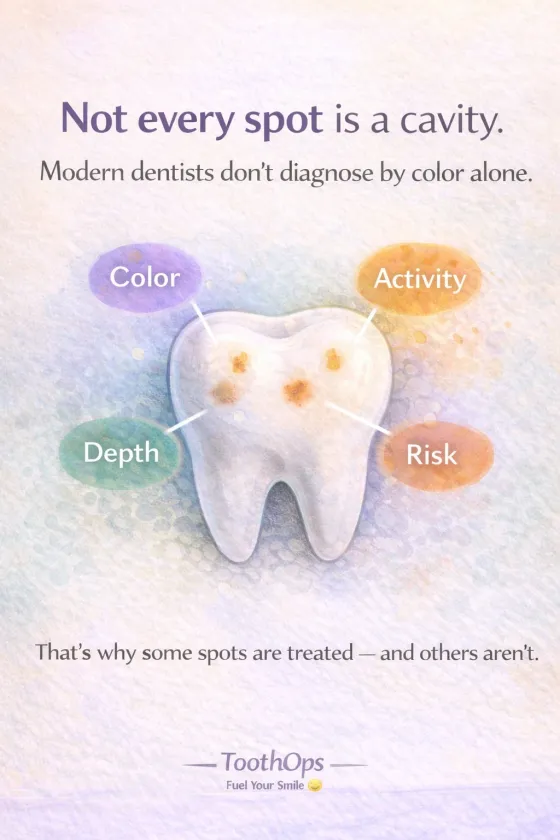
If you’ve ever stared at a tiny white or brown spot on your tooth and thought:
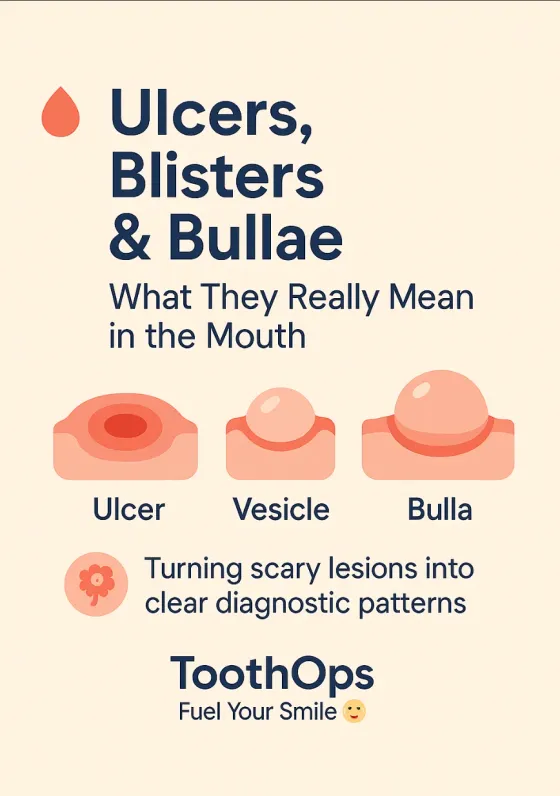
Understanding the clues hidden in the oral cavity — inspired by Case 2905
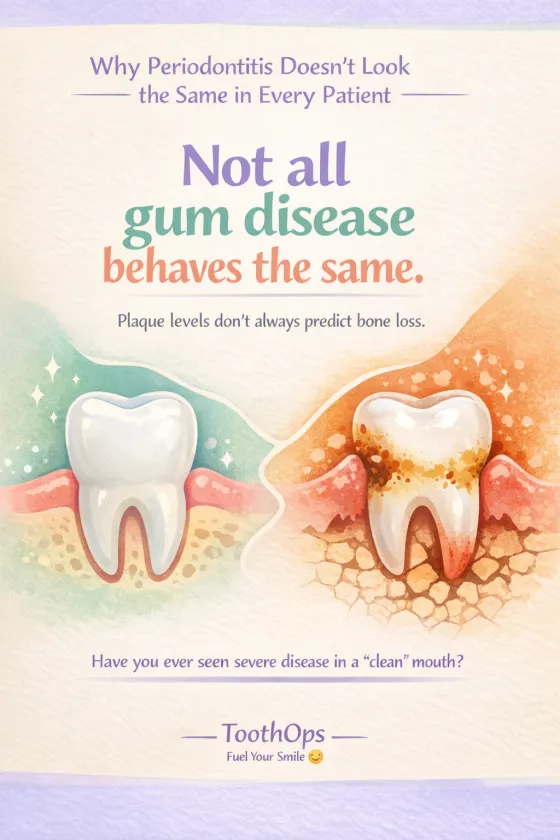
Some patients lose bone shockingly fast with very little plaque.Others progress slowly over decades, despite obvious buildup.
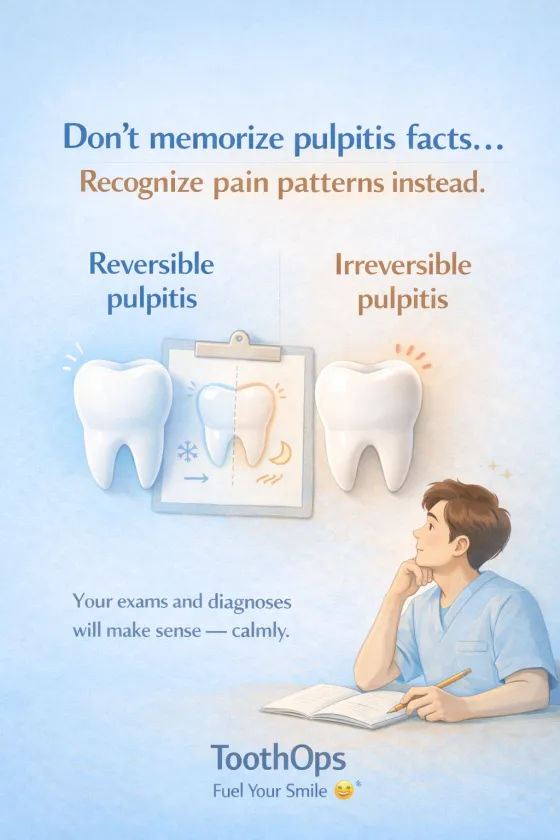
Before we start — pause for a moment. You don’t need to memorize every definition to understand pulpitis. You just need to recognize patterns — calmly and clearly.
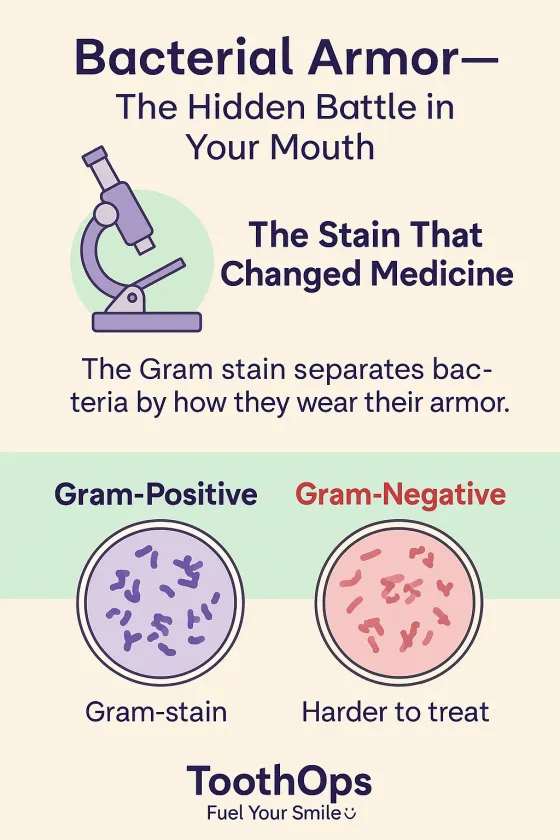
Not all bacteria are created equal — and in your mouth, that difference can decide whether your smile stays healthy or becomes a battlefield. From the first plaque film that forms after brushing…
Most people see a dentist scribbling numbers during a cleaning and think,
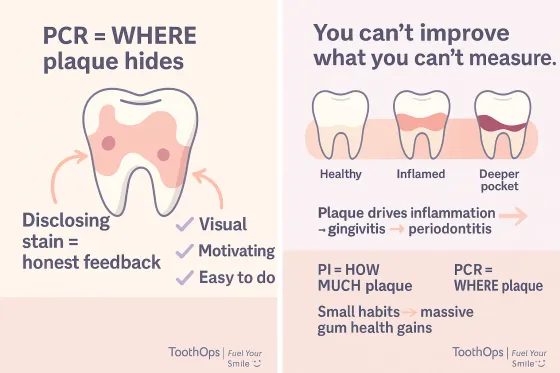
Almost no one talks about the actual numbers dentists use to measure if you’re cleaning well — the same way fitness uses reps, sleep uses REM cycles, and skincare uses percentages.
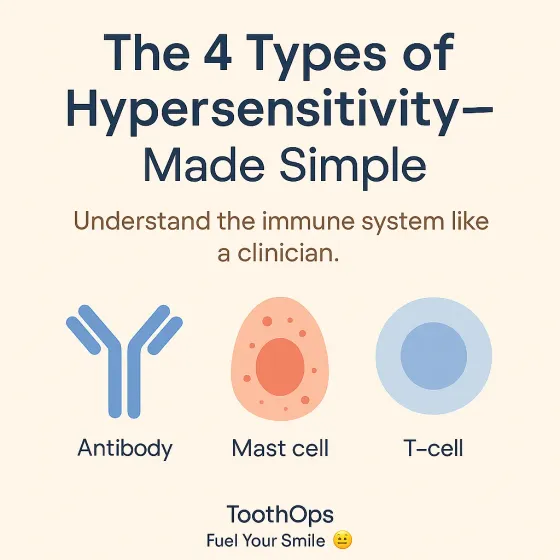
We love the immune system… until it turns a small problem into a big one.
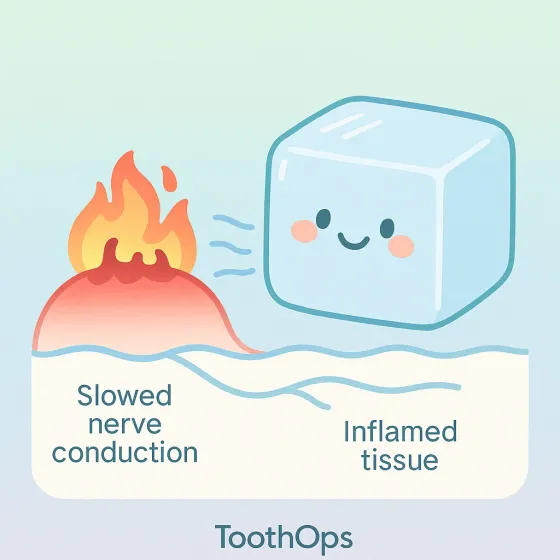
If you’ve ever stubbed your toe, bitten your cheek, or woken up with a blister in your mouth that feels like a small dragon is living there—you’ve experienced your pain pathway in full HD.
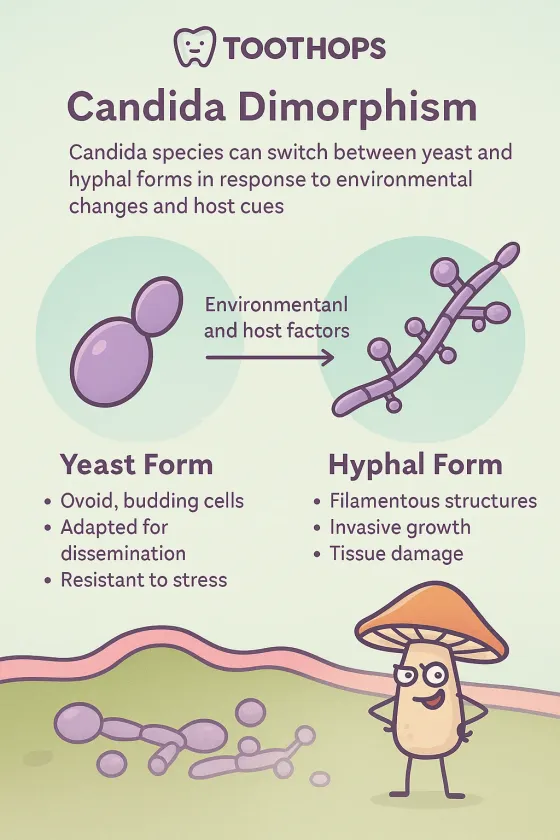
Candida lives in your mouth 99% of the time like a quiet roommate who minds its business. But the moment your immune system slips?
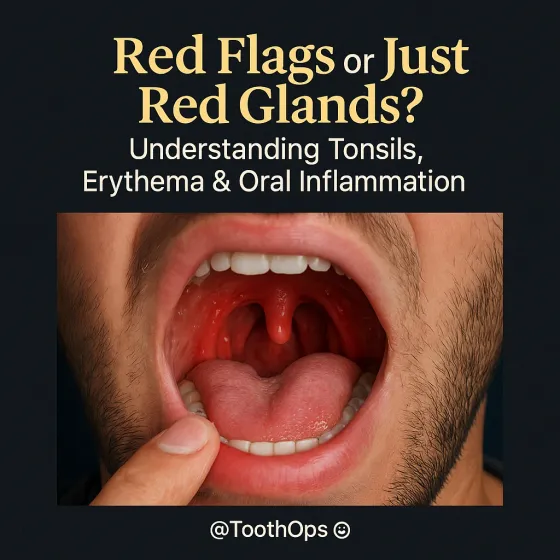
Those fiery patches or swollen tonsils can look alarming — but not every red glow is a crisis. Sometimes, it’s your immune system stretching its muscles.
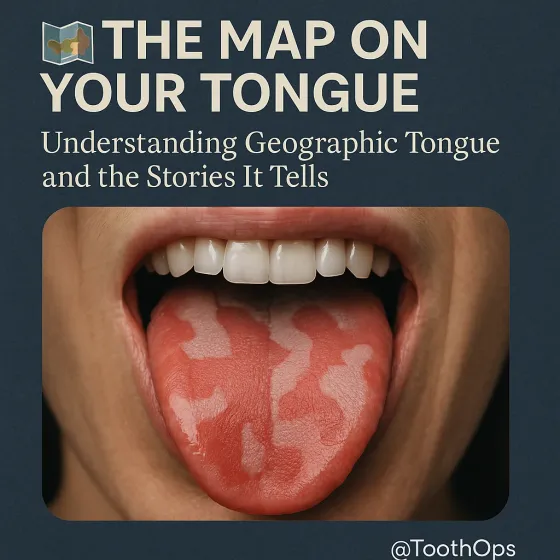
Ever looked at your tongue and thought, “Wait—did my mouth just grow continents?”
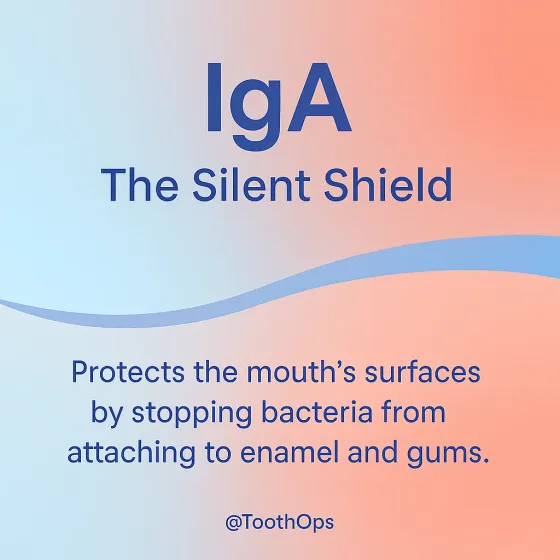
When most people think of “antibodies,” they picture IgG or IgM — the textbook superstars.But what about the quiet ones behind the scenes — IgA, IgE, and IgD?
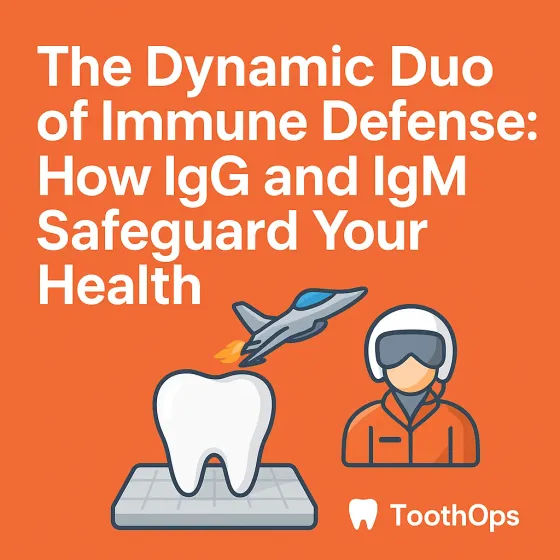
Your immune system is like an Air Force base — always active, always alert.When bacteria or viruses sneak in, IgM launches like a rapid-response fighter jet — fast, powerful, and ready to…
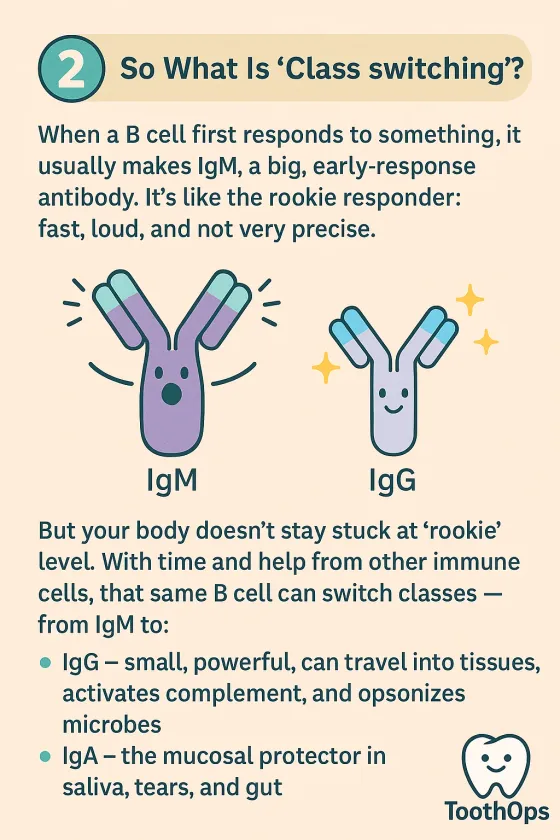
Class Switching (B cells) + why it matters for oral & mucosal disease
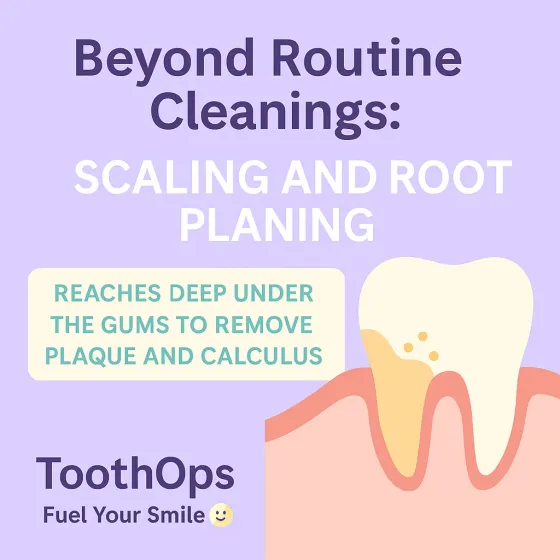
If you could shrink down smaller than a red blood cell and travel under your gums, you’d see a war zone — biofilm bunkers, mineral crusts, and tiny immune soldiers caught in crossfire.
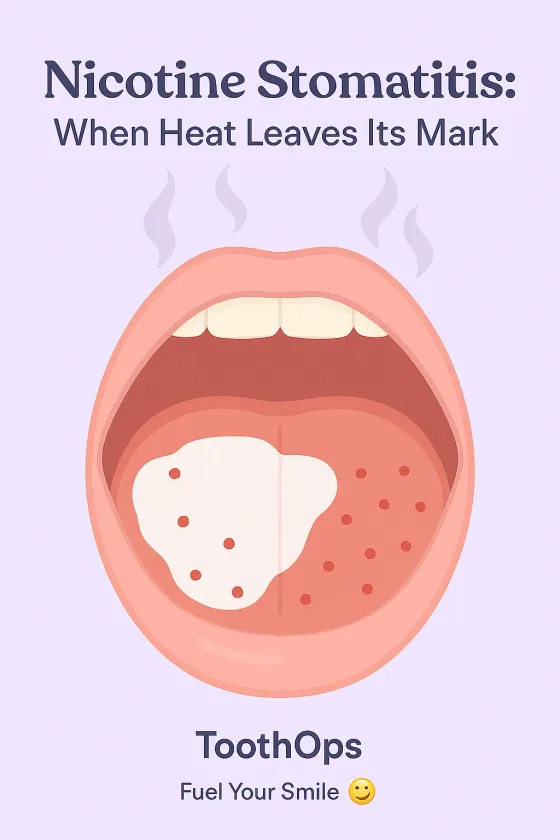
Take a moment and imagine this: every time you light a cigar, cigarette, or pipe, your palate — that soft pink ceiling of your mouth — braces for impact.
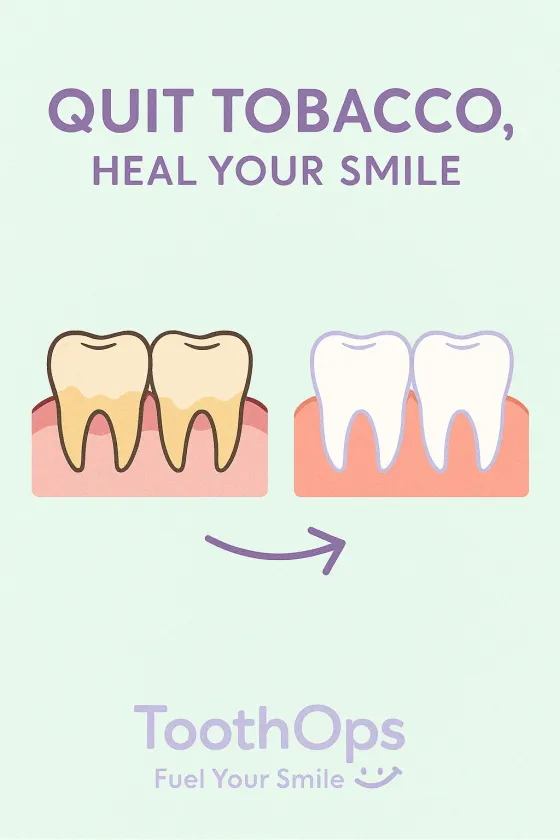
You already know smoking affects your lungs and heart.But here’s the plot twist: it also silently rewrites your oral health script — from your gums’ oxygen supply to the bacteria hiding under your…
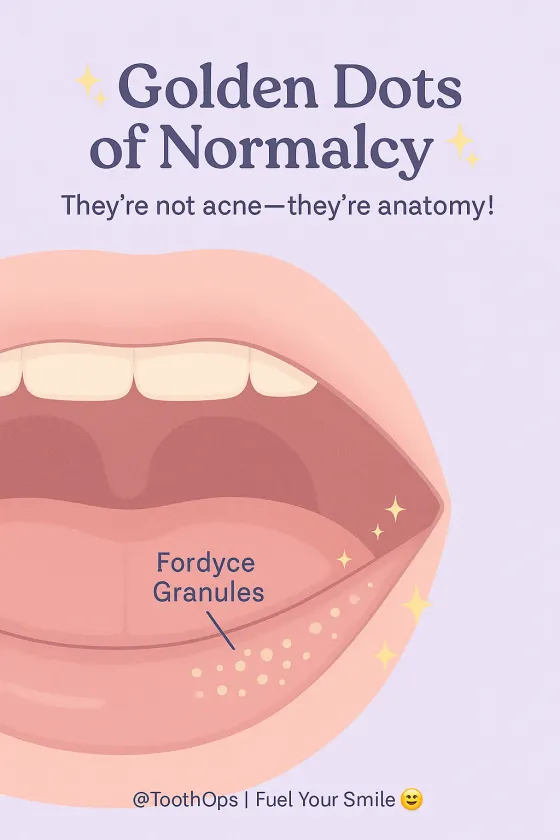
If you’ve ever looked closely in the mirror and spotted tiny yellow or white dots inside your cheeks or on your lips, you might’ve thought,
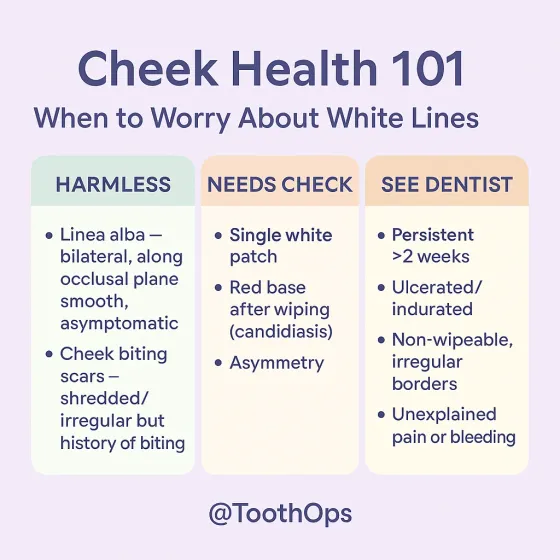
Have you ever noticed a faint white line running across the inside of your cheeks — right where your upper and lower teeth meet?No, it’s not some secret code your mouth is writing — it’s linea…
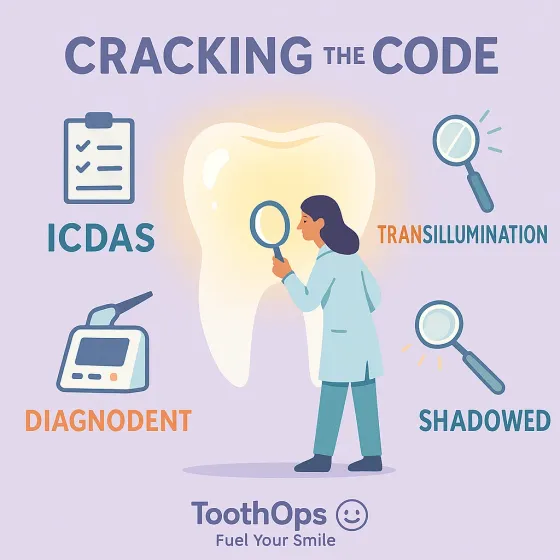
You’re not alone — most patients simply nod along, unsure of what it means. But these aren’t just fancy dental terms. They’re part of a modern, evidence-based approach that helps detect tooth…
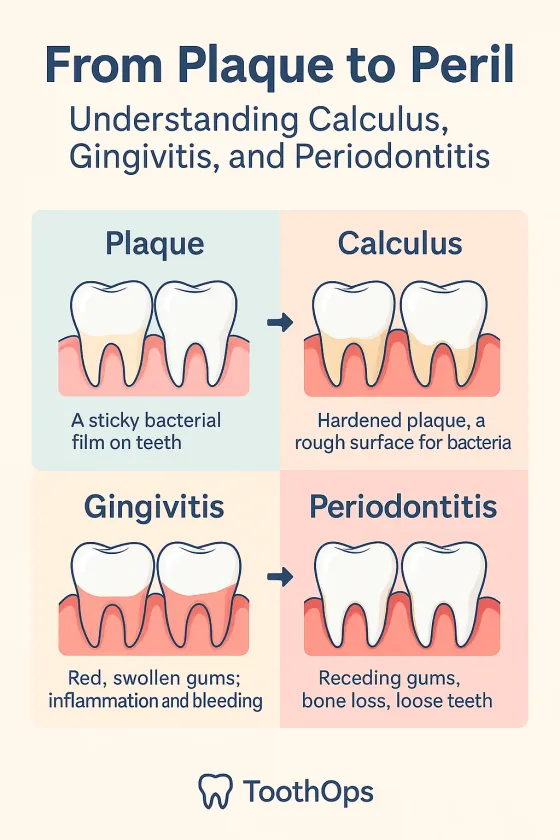
If you’ve ever left the dentist hearing, “You have a little tartar buildup,” this post is for you. What starts as a soft film of bacteria can quietly evolve into inflammation, bleeding, and…
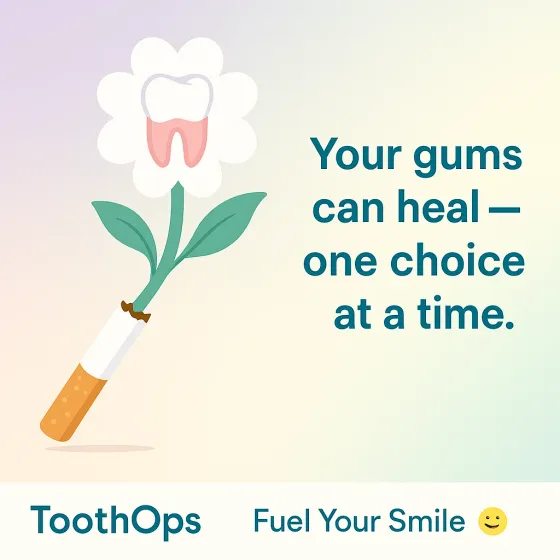
When you smoke, it’s not just your lungs that take the hit — your gums do, too. Nicotine acts like a chokehold on your oral circulation, tightening blood vessels and starving your tissues of…
By ToothOps — Inspired by Wheeler’s Dental Anatomy and Physiology
Antibiotics are one of the most powerful tools in dentistry — yet they’re also one of the most misunderstood.
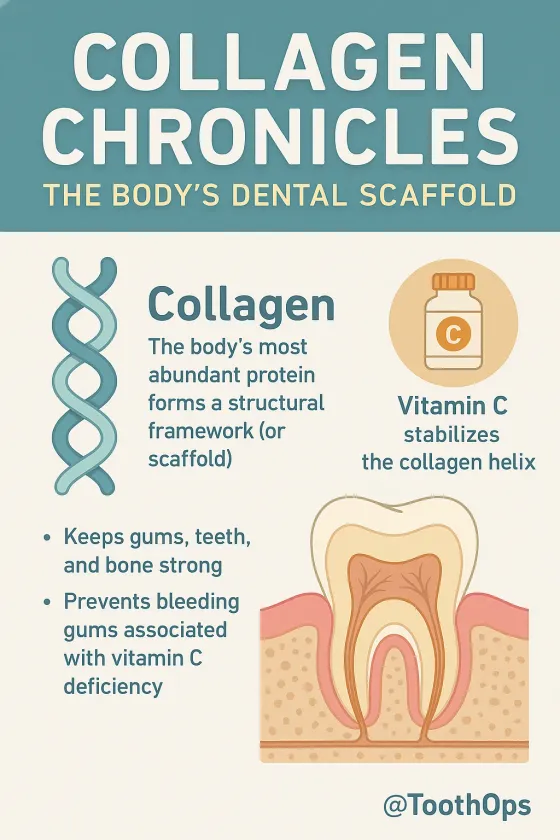
Why does vitamin C deficiency make your gums bleed? Let’s unravel the science.
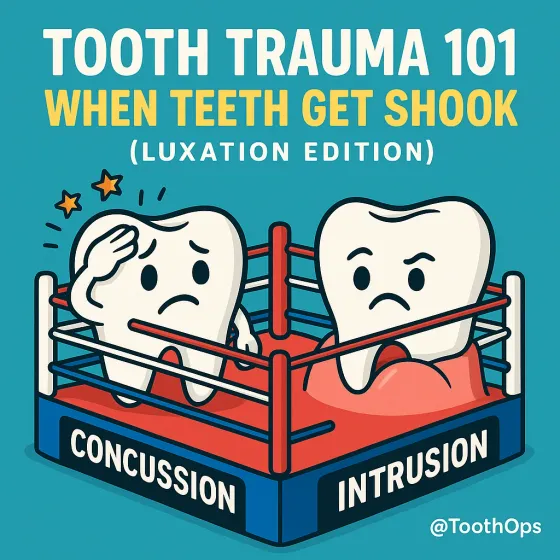
Whether it’s a sports injury, a fall, or an unexpected elbow to the mouth, tooth trauma can be alarming — especially when the tooth doesn’t fall out but feels “off.”
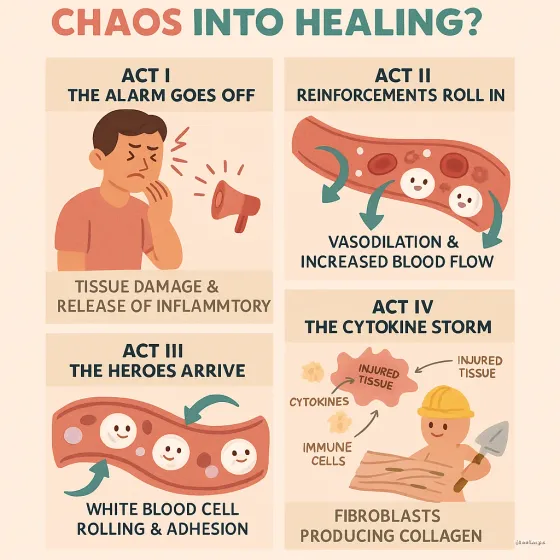
When we think of inflammation, we usually picture redness, swelling, and pain. But beneath the surface, it’s one of the most impressive rescue operations in human biology — a cinematic process…
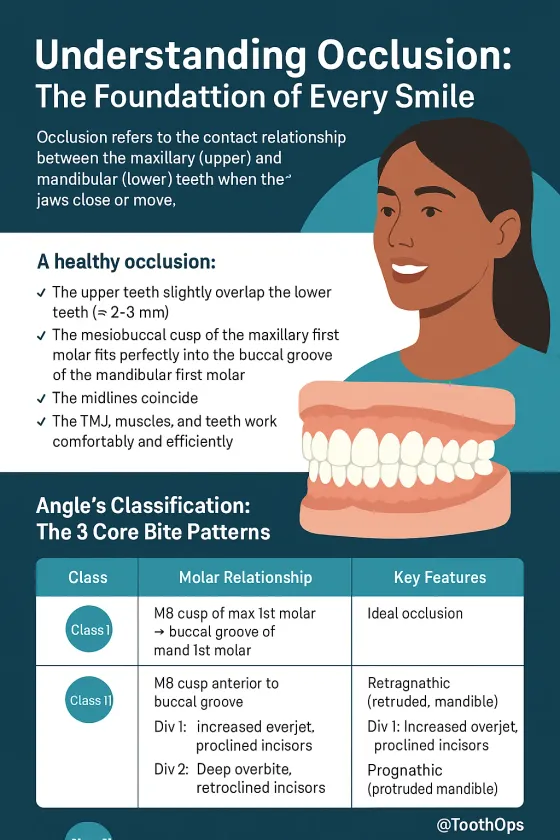
Every time you bite, chew, or smile, a finely tuned system between your teeth, muscles, and temporomandibular joints (TMJ) goes to work.That coordination — called occlusion — is what keeps your…
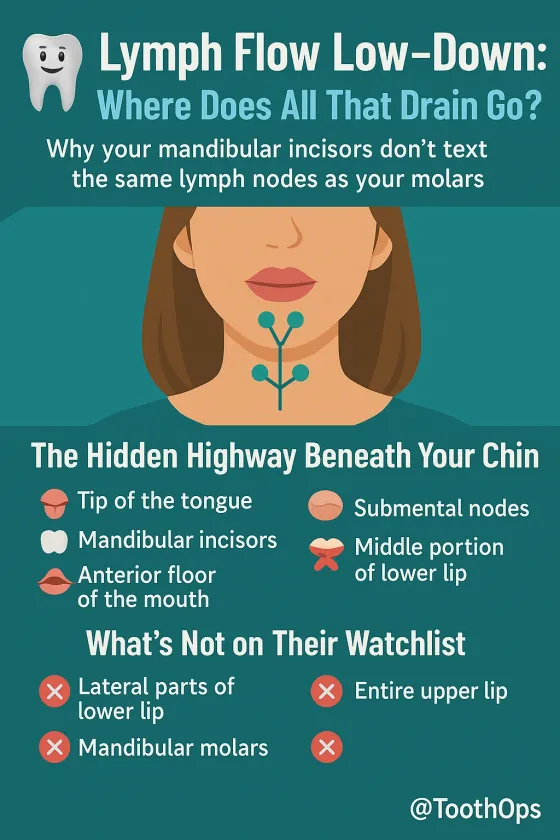
Why your mandibular incisors don’t text the same lymph nodes as your molars
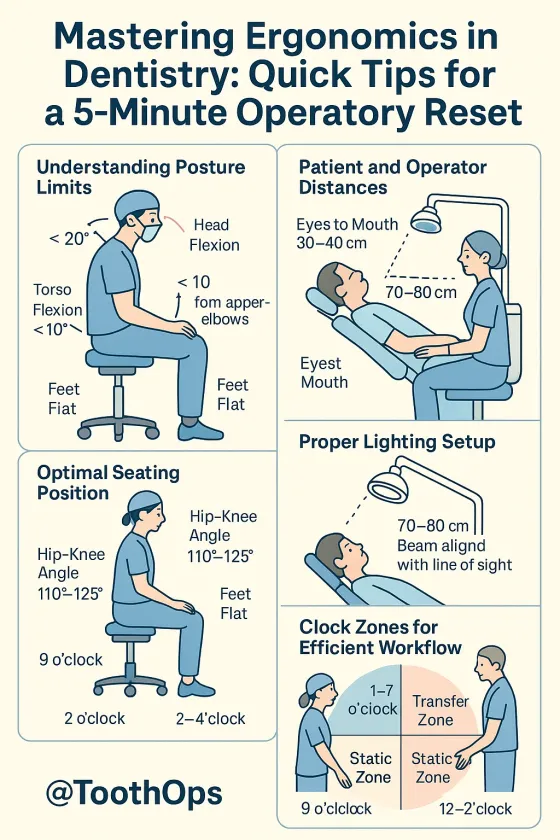
In the fast-paced world of dentistry, keeping the right ergonomic setup is essential not only for your comfort but also for the quality of care you provide. Poor posture and inefficient work…
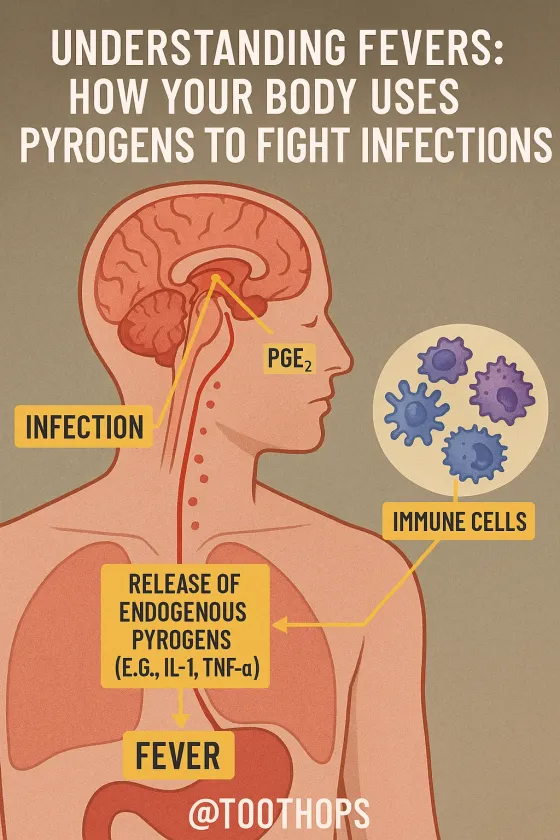
Ever wonder why your body suddenly raises its temperature when you’re sick? That uncomfortable, warm feeling isn’t a system malfunction — it’s actually one of the body’s most brilliant defense…
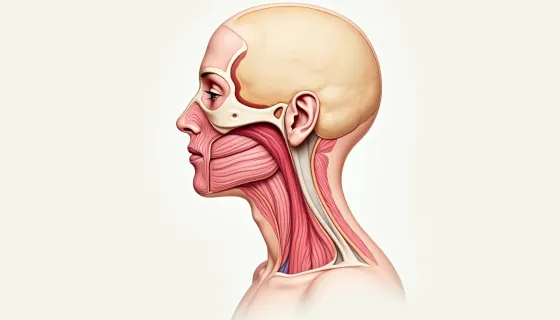
Understanding the anatomy of the lymphatic system is essential for dental students and professionals. The lymph nodes of the head and neck are crucial for the immune response and serve as key…
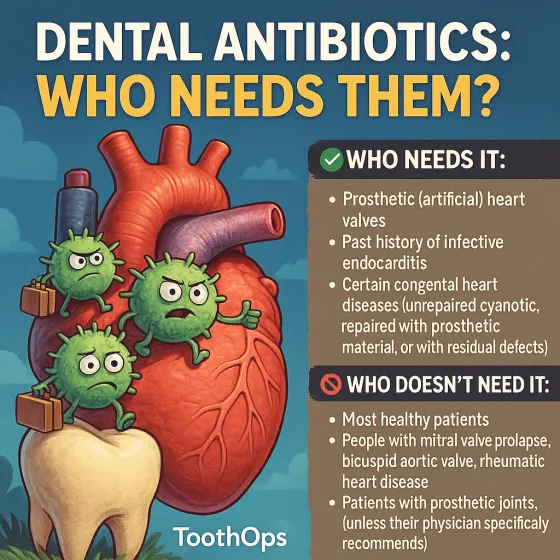
Most people expect a cleaning, filling, or maybe even a tooth pulled when they visit the dentist. But sometimes, dentists prescribe antibiotics before the appointment—not because you’re already…
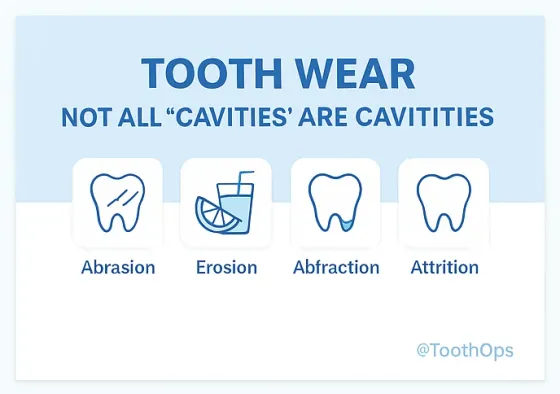
When most people think of tooth problems, one word comes to mind: cavities. But not all tooth damage comes from decay! Everyday habits, diet, and stress can also wear teeth down.
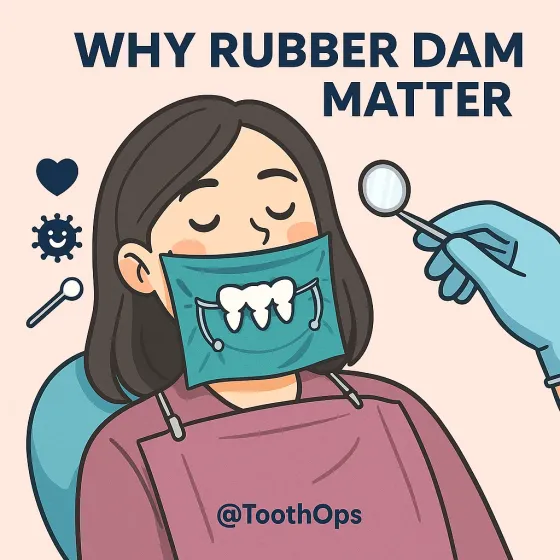
Ever had your dentist place a little green sheet in your mouth and wondered, “What is this thing even for?”
If you’ve ever thought, “Wait, aren’t X-rays radiation?!” you’re not alone. Radiation sounds scary, but here’s the truth: dental X-rays are incredibly safe — in fact, they expose you to less…
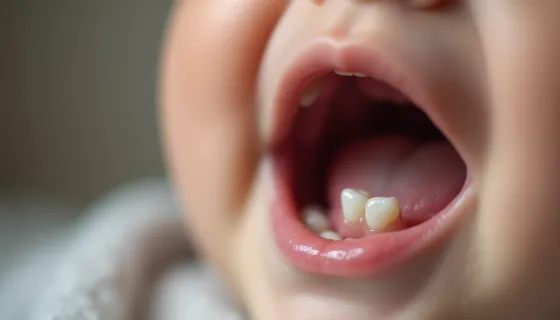
Your smile is like a trusted friend—it grows and changes alongside you. Understanding the stages of your teeth can enhance your appreciation for the evolution of your smile from infancy to…

Your personal interview experience will help you decide which school is the right fit for you — you will get the feeling.

Choosing a dental school can feel overwhelming with so many options available. You may be tempted to focus on rankings and prestigious names, but remember: the best school for you is not…

✅ Will I have reliable health insurance — and what exactly gets reimbursed?
You’ve decided to dive headfirst into dentistry. Exciting, right? But if that exhilaration comes with a side of “Wait... what did I just sign up for?”, breathe easy—you’re not alone.
"Even the smartest future dentists stumble somewhere — the trick is learning how to trip gracefully and get back up before it costs you a dream school acceptance."

Somewhere between brewing endless cups of coffee, chasing shadowing hours, diving into research, and sculpting clay at 2AM, I realized something important:
🎯 “Dental schools want more than just grades — they want to see who you truly are. Here’s how to master the CASPer and Kira Talent assessments — and stand out.”
Interviews can feel like the most nerve-wracking part of applying to dental school. You're chasing your dream — and it all comes down to a few intense conversations with people you've never met…
As of March 1, 2025, the American Dental Association (ADA) will introduce major changes to the Dental Admission Test (DAT) scoring system. For pre-dental students, understanding these updates is…
"Personal statements can launch your dental school dreams... or bury them under a pile of clichés."
Dental school apps can be overwhelming. Learn 5 honest lessons I wish I knew before starting AADSAS + HPSP—plus grab your free planner to stay ahead.
Confused by the AADSAS portal? Applying to dental school? This step-by-step AADSAS guide breaks it down simply — avoid common mistakes and download your free checklist to stay on track.
Applying to dental school? This no-fluff guide from ToothOps covers GPA tips, DAT prep, real-world experience, personal statements, and interviews—everything you need to succeed.
No articles match that search. Try a shorter word.