
🧪 Understanding the Hepatitis Viral Panel
 ToothOps6 min read

What Blood Tests Reveal About Infection, Immunity, and Clinical Risk
🔍 Introduction
A patient may feel completely well, present with minimal symptoms, and still carry an active viral infection capable of transmission.
In clinical practice—especially in dentistry—this distinction matters.
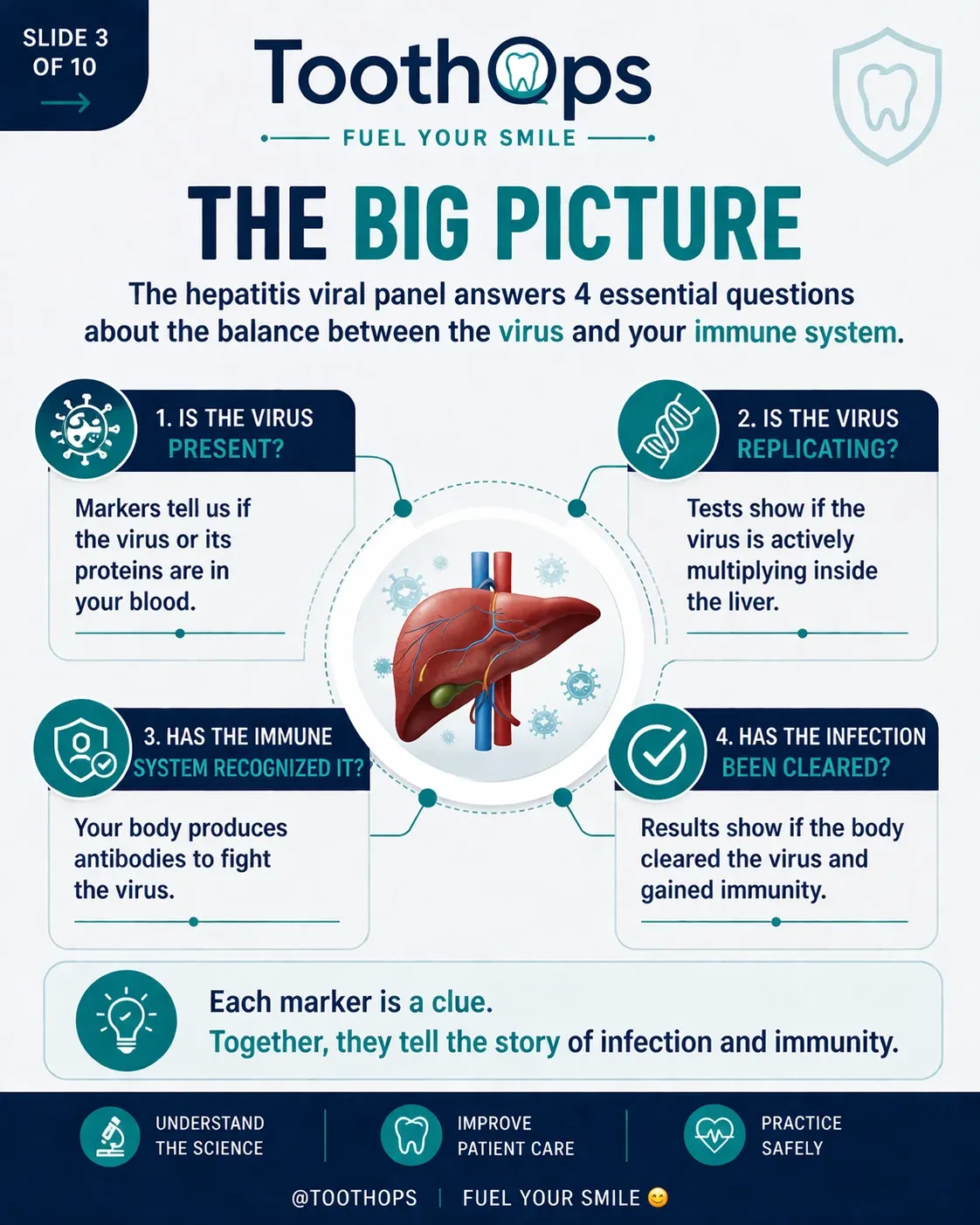
The hepatitis viral panel is a critical diagnostic tool that allows clinicians to understand not only whether a virus is present, but also whether it is actively replicating, whether the immune system has responded, and whether the infection has been cleared or persists.
Rather than functioning as a simple positive or negative test, the hepatitis panel provides a dynamic representation of viral activity and host immune response.
🧠 Conceptual Framework
The hepatitis viral panel reflects four key biological processes:
- Viral presence
- Viral replication
- Immune recognition
- Immune clearance or persistence
Each laboratory marker corresponds to one of these processes, allowing clinicians to interpret infection status through indirect but biologically meaningful signals.
🧬 Pathophysiology of Hepatitis Infection
Following entry into the bloodstream (for example, through blood exposure), hepatitis viruses infect hepatocytes and utilize cellular machinery to replicate.
- Hepatitis B virus (HBV) forms a stable nuclear template (cccDNA), allowing long-term persistence and continuous protein production
- Hepatitis C virus (HCV) replicates using an error-prone RNA polymerase, resulting in rapid mutation and immune evasion
As infected hepatocytes produce viral proteins and release viral particles, components of the virus become detectable in the bloodstream.
The immune system responds by generating antibodies and activating cytotoxic T-cells, which attempt to eliminate infected cells.
🧪 Core Hepatitis Viral Markers
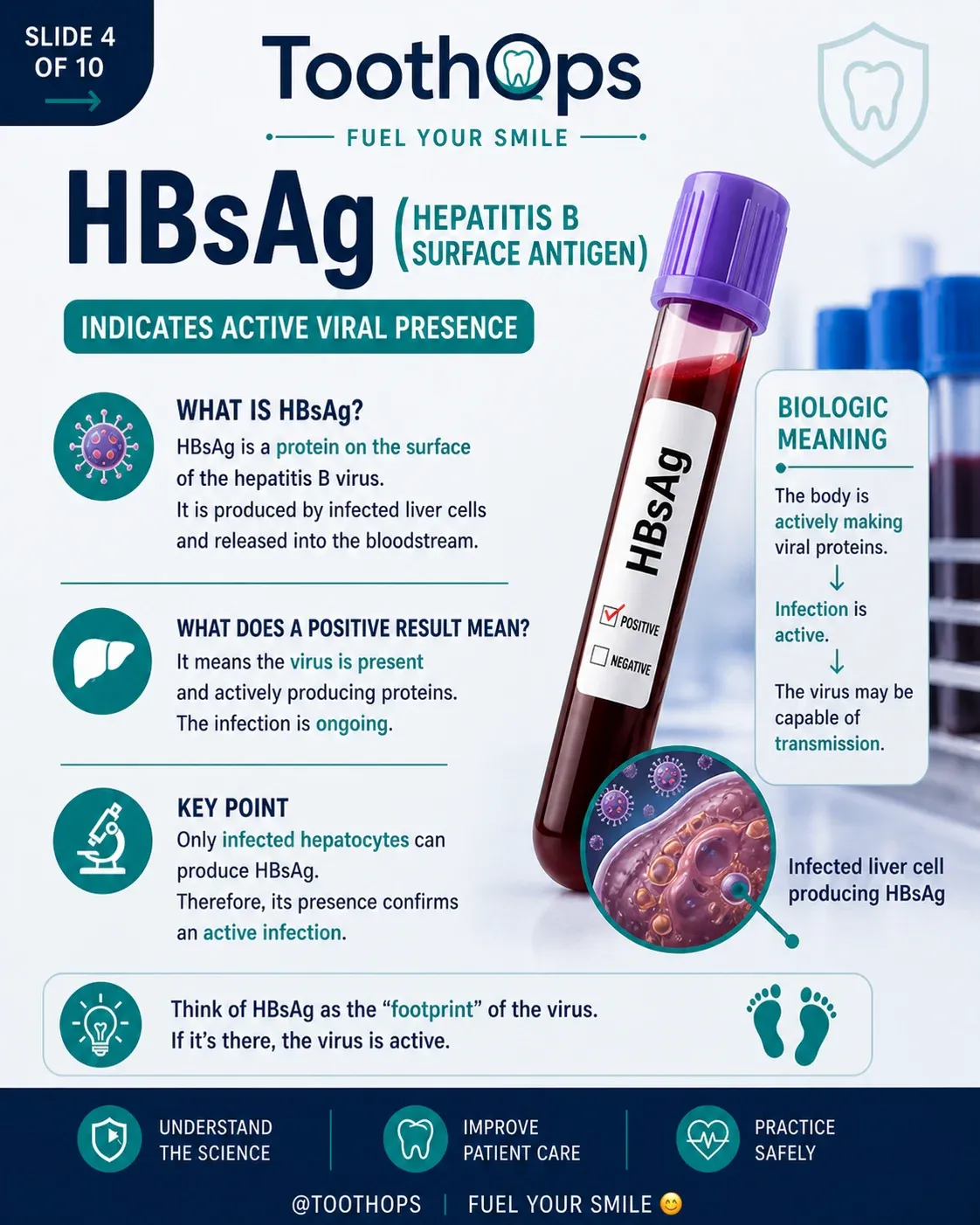
HBsAg (Hepatitis B Surface Antigen)
HBsAg is a viral surface protein produced by infected hepatocytes.
- Its presence indicates active infection, as only infected cells can synthesize and release this protein
- Persistent detection suggests ongoing viral protein production
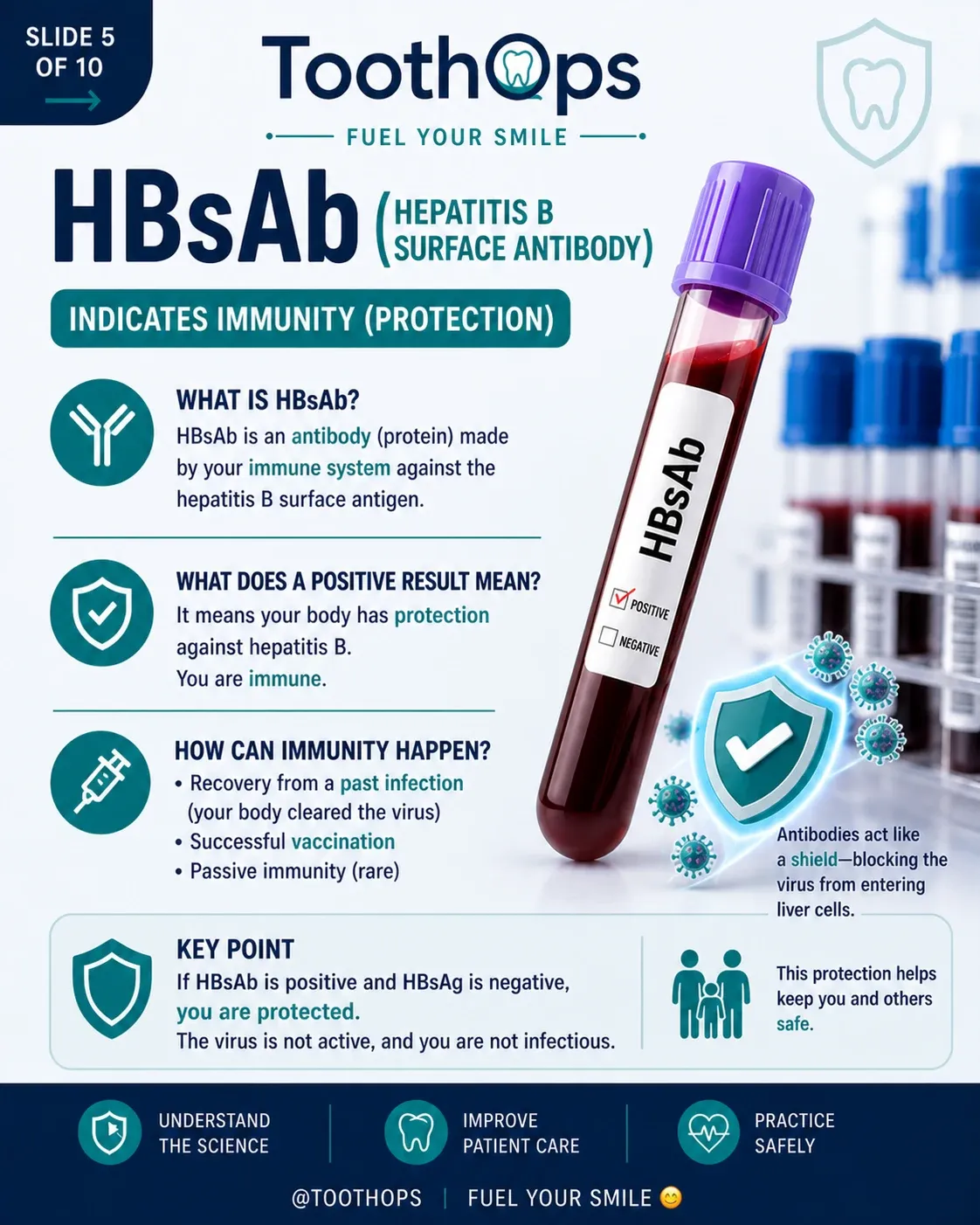
HBsAb (Hepatitis B Surface Antibody)
HBsAb is a neutralizing antibody produced by the host immune system.
- It binds viral particles and prevents entry into hepatocytes
- Its presence indicates immunity, either from prior infection or vaccination
HBsAg–HBsAb Relationship
| Pattern | Interpretation |
|---|---|
| HBsAg (+), HBsAb (−) | Active infection without effective immune control |
| HBsAg (−), HBsAb (+) | Resolved infection or immunity |
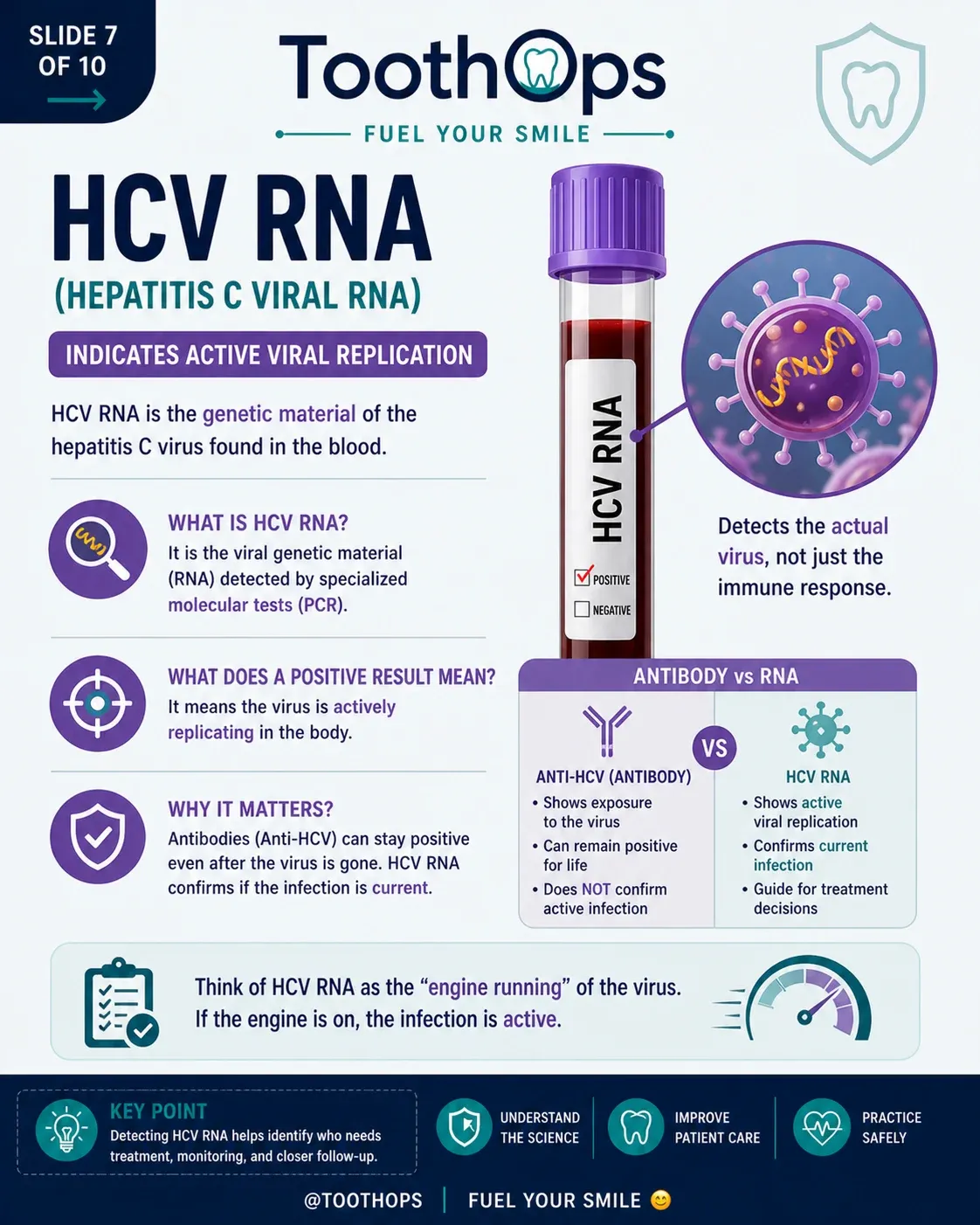
HCV RNA (Hepatitis C Viral RNA)
HCV RNA represents the virus’s genetic material.
- Detectable only when the virus is actively replicating
- Identified through molecular assays such as polymerase chain reaction (PCR)
Its presence confirms ongoing viral replication, regardless of antibody status.
🔬 Immune Response and Clinical Presentation
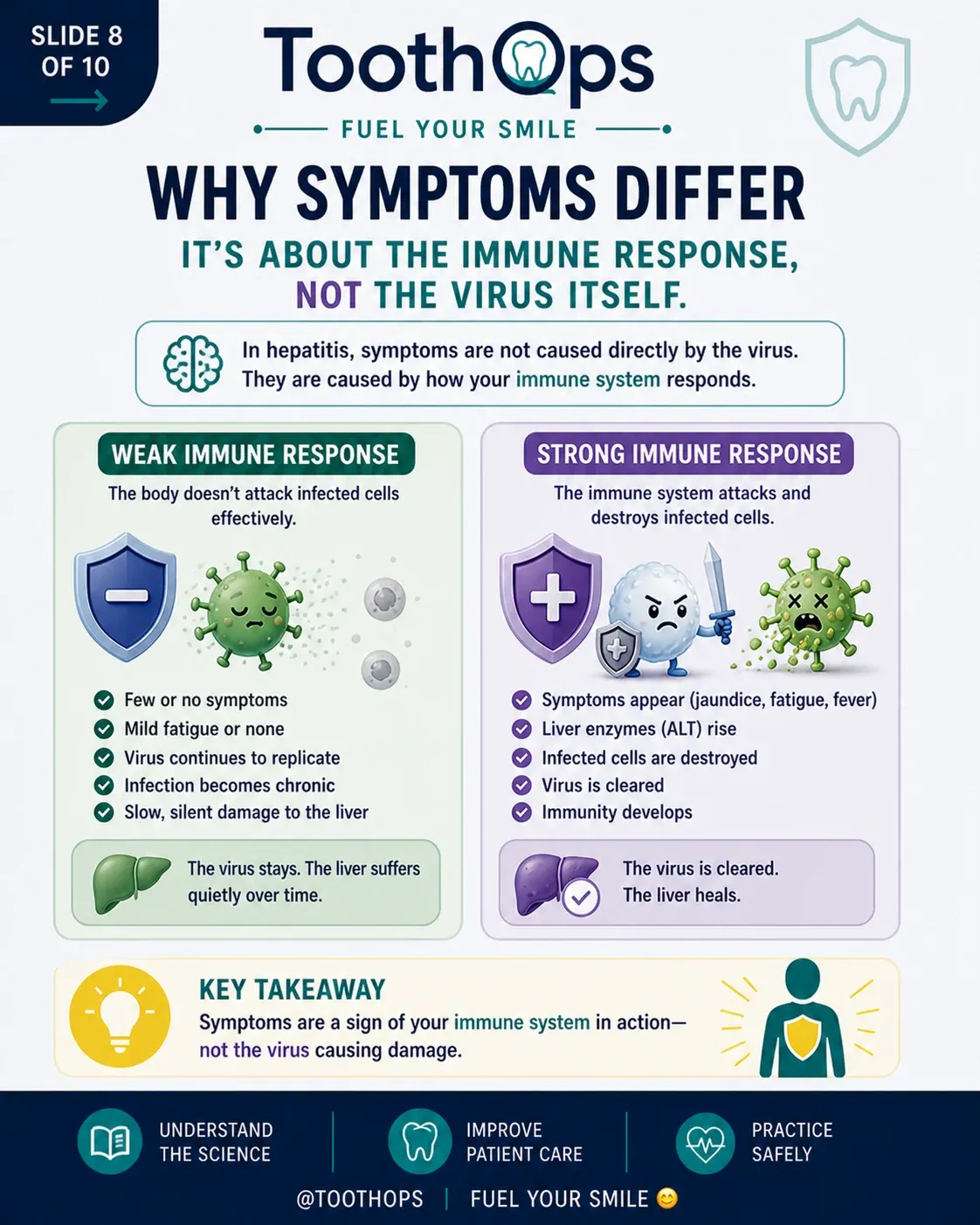
The outcome of hepatitis infection depends on the strength and coordination of the immune response.
Chronic Infection
- Weak or insufficient immune response
- Infected hepatocytes are not eliminated
- Virus persists over time
Clinical features:
- Minimal or no symptoms
- Mild, persistent liver enzyme elevation
Acute Infection with Clearance
- Strong cytotoxic T-cell response
- Infected hepatocytes are destroyed
Clinical features:
- Fatigue, jaundice, pruritus
- Temporary elevation in liver enzymes
- Eventual viral clearance and immunity
Key Insight
Symptoms in hepatitis are primarily the result of immune-mediated hepatocyte injury, not direct viral damage.
🧪 ALT as a Marker of Liver Injury
Alanine aminotransferase (ALT) is an intracellular enzyme released when hepatocytes are damaged.
| ALT Level | Interpretation |
|---|---|
| Mild elevation | Chronic low-grade injury |
| High elevation | Active inflammation |
ALT reflects the degree of immune-mediated liver injury, rather than viral load.
🧠 What Happens If Hepatitis Is Not Cleared?
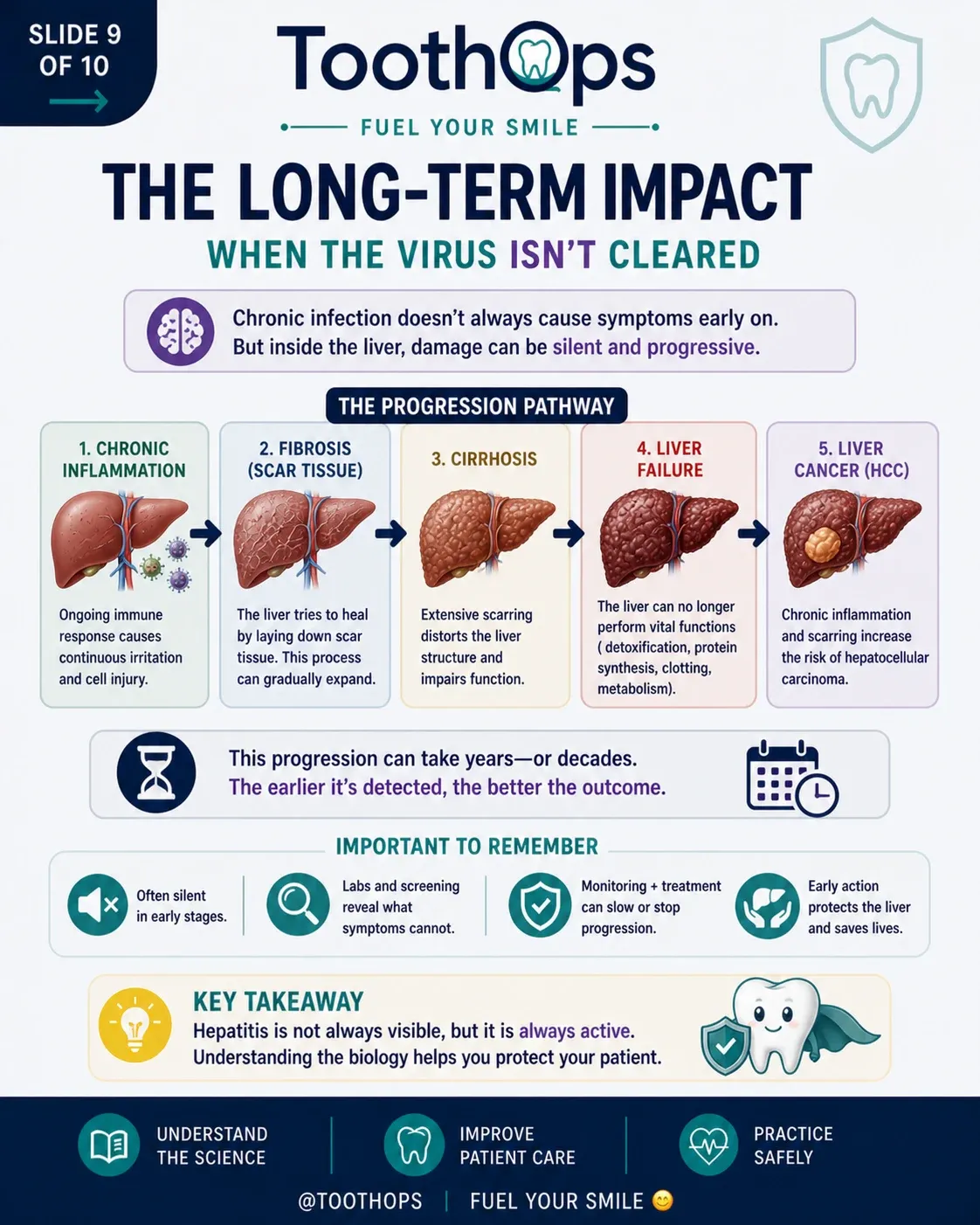
When viral infections persist, the liver undergoes repeated cycles of injury and repair.
Over time, this process leads to structural and functional changes:
- Fibrosis — accumulation of scar tissue due to chronic inflammation
- Cirrhosis — advanced architectural distortion of the liver
- Liver failure — impaired metabolic and synthetic function
- Hepatocellular carcinoma — malignant transformation of hepatocytes
These changes occur gradually and may remain clinically silent until advanced stages.
Chronic hepatitis is often asymptomatic early, but biologically active throughout its course.
🦷 Clinical Relevance in Dentistry
Understanding the hepatitis viral panel is essential for safe and informed clinical practice.
Silent Infection
Patients may:
- Have no symptoms
- Be unaware of infection
- Present for routine care
Yet still have:
- Active viral replication
- Potential for transmission
Exposure Risk
Dental procedures involve:
- Sharp instruments
- Bleeding tissues
- Direct exposure to blood and saliva
Hepatitis B carries a higher transmission risk compared to hepatitis C due to greater viral stability and concentration in blood.
Interpretation Guides Clinical Awareness
The hepatitis panel allows clinicians to understand:
- Whether infection is active
- Whether replication is occurring
- Whether immunity is present
This understanding supports:
- appropriate clinical awareness
- effective communication
- safe patient care
Professional Responsibility
Clinical practice requires integration of:
- scientific knowledge
- patient safety
- ethical responsibility
Interpreting infectious disease markers ensures that care decisions are informed, intentional, and aligned with best practices.

🦷 Clinical Management Implications Based on Hepatitis Status
Understanding hepatitis markers directly informs how patients are approached in clinical care.
Active Infection (HBsAg positive and/or HCV RNA positive)
- Indicates ongoing viral replication
- Patients may have increased potential for transmission
- Routine care can proceed with strict adherence to standard precautions
- Awareness supports appropriate clinical judgment and coordination of care when needed
Resolved Infection or Immunity (HBsAb positive, HBsAg negative)
- Indicates successful immune response or vaccination
- No active viral production
- No additional precautions beyond standard protocols are required
Chronic Infection with Low Activity
- Persistent viral markers with mild or minimal symptoms
- Underlying disease remains present despite clinical stability
- Consideration of liver function and medication metabolism may be appropriate
Advanced Liver Disease
- May include fibrosis or cirrhosis
- Potential for impaired clotting, altered drug metabolism, and systemic effects
- May require additional planning, monitoring, or medical consultation
🧠 Key Clinical Principle
Management decisions are based not only on the presence of a virus, but on understanding the biologic state of the patient, including viral activity, immune response, and liver function.
🎯 Why This Is Important for Clinicians
- Infection may be present without symptoms
- Patients may be unaware of their status
- Transmission risk is not always visible
- Clinical decisions depend on understanding underlying biology
The difference between routine care and informed care lies in the ability to interpret what these markers represent.
📘 ToothOps Takeaway
- HBsAg → indicates active viral presence
- HBsAb → indicates immunity
- HCV RNA → indicates active replication
- Symptoms → reflect immune response activity
- ALT → reflects liver injury
🧠 Final Thought
The hepatitis viral panel is not simply a diagnostic tool—it is a representation of the dynamic balance between viral persistence and immune control.
Understanding this balance allows clinicians to interpret laboratory findings, assess clinical risk, and provide care that is both safe and informed.
@ToothOps | Fuel Your Smile 😊
Stay tuned for more insights and educational content in our blog.
Disclaimer: Content is for educational purposes only and not a substitute for medical or dental care.
© 2025 ToothOps | All Rights Reserved.