
🧠 Why Dentistry Is Part of Whole-Body Medicine
 ToothOps8 min read
The Biology of Oral Healing, Systemic Disease, and the True Role of Dentistry
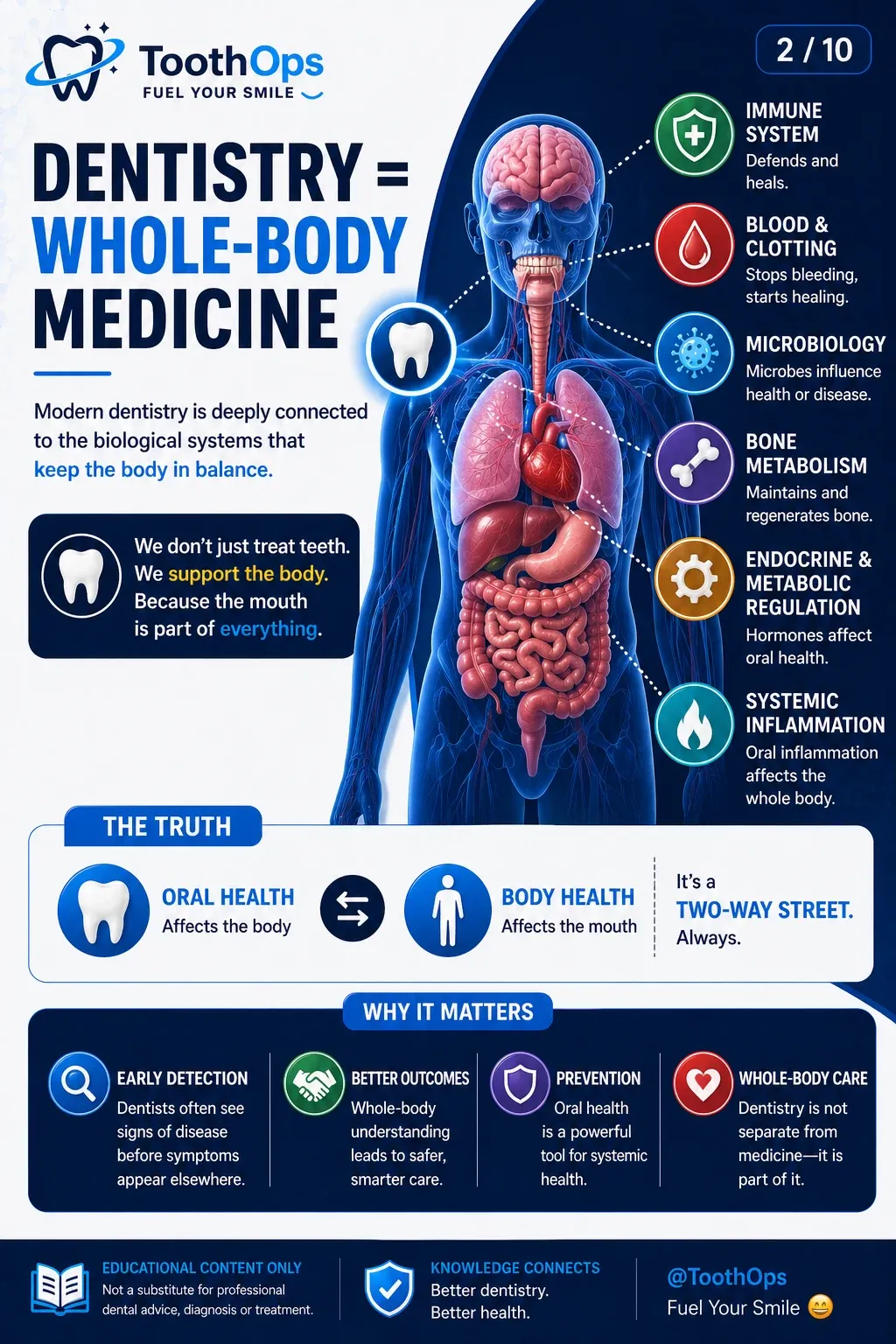
🦷 Many people think dentistry is only about teeth.
But modern science shows something much deeper:
✨ The mouth is one of the most biologically integrated systems in the human body.
Dentists routinely observe early signs of systemic disease, manage complex wound healing,
and interact with biological systems including:
🛡️ the immune system
🩸 blood clotting pathways
🦠 microbiology
🦴 bone metabolism
⚙️ endocrine and metabolic regulation
🔬 systemic inflammation
Understanding these connections transforms dentistry from a technical profession into a true branch of whole-body medicine.
In this article, we explore:
🔬 The biology of wound healing in oral tissues
🦠 The oral immune system and microbiome
🩸 The blood and clotting mechanisms behind healing
🧬 The oral manifestations of systemic disease
🌍 Why dentistry plays a critical role in preventive medicine
🌍 The Mouth: A Biological Gateway to the Body
The oral cavity is one of the most biologically active environments in the human body.
Every day it experiences:
🥗 mechanical stress from chewing
🦠 exposure to hundreds of microbial species
🔄 rapid epithelial cell turnover
🛡️ continuous immune surveillance
🌡️ fluctuations in temperature and pH
Unlike many tissues, oral structures must heal rapidly while constantly exposed to microbes.
Because of this, the mouth often becomes a sensitive early indicator of systemic health changes.
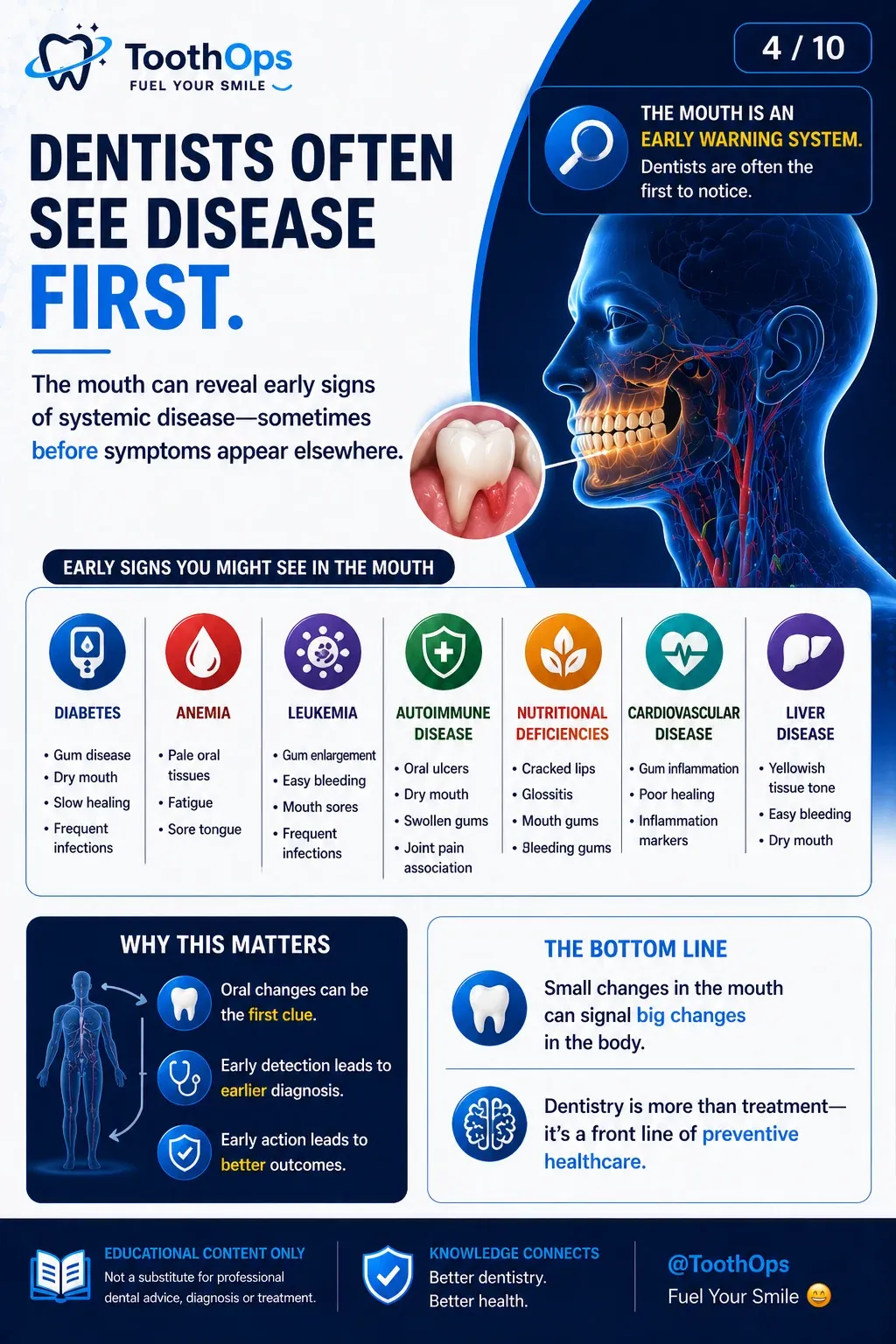
Dentists frequently detect early signs of:
🍬 diabetes
🩸 anemia
🧬 leukemia
🛡️ autoimmune disease
🥦 nutritional deficiencies
🫀 cardiovascular disease
🧪 liver disease
In many cases, the dentist may be the first healthcare provider to notice systemic disease.
🛡️ The Oral Immune System
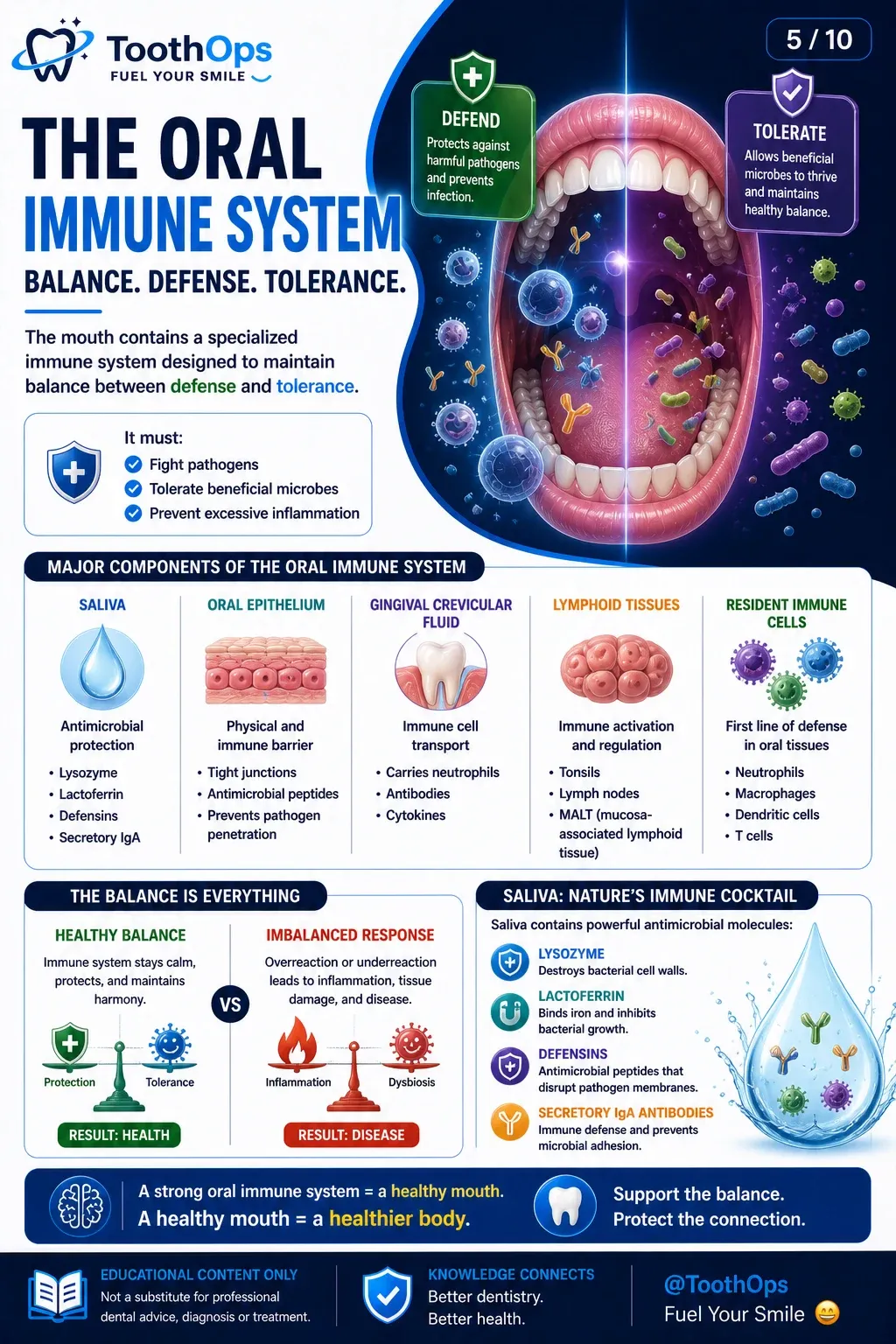
The mouth contains a specialized immune system designed to maintain balance between defense and tolerance.
It must:
✔ tolerate beneficial microbes
✔ respond rapidly to pathogens
✔ prevent excessive inflammation
Major Components of the Oral Immune System
| Component | Function |
|---|---|
| 💧 Saliva | antimicrobial protection |
| 🧱 Oral epithelium | physical and immune barrier |
| 🩸 Gingival crevicular fluid | immune cell transport |
| 🧬 Lymphoid tissues | immune activation |
Saliva contains powerful antimicrobial molecules such as:
🧪 Lysozyme – destroys bacterial cell walls
🧲 Lactoferrin – binds iron and inhibits bacterial growth
🧬 Defensins – antimicrobial peptides
🛡️ Secretory IgA antibodies – immune defense
These systems help regulate microbial populations and maintain oral health.
🦠 The Oral Microbiome
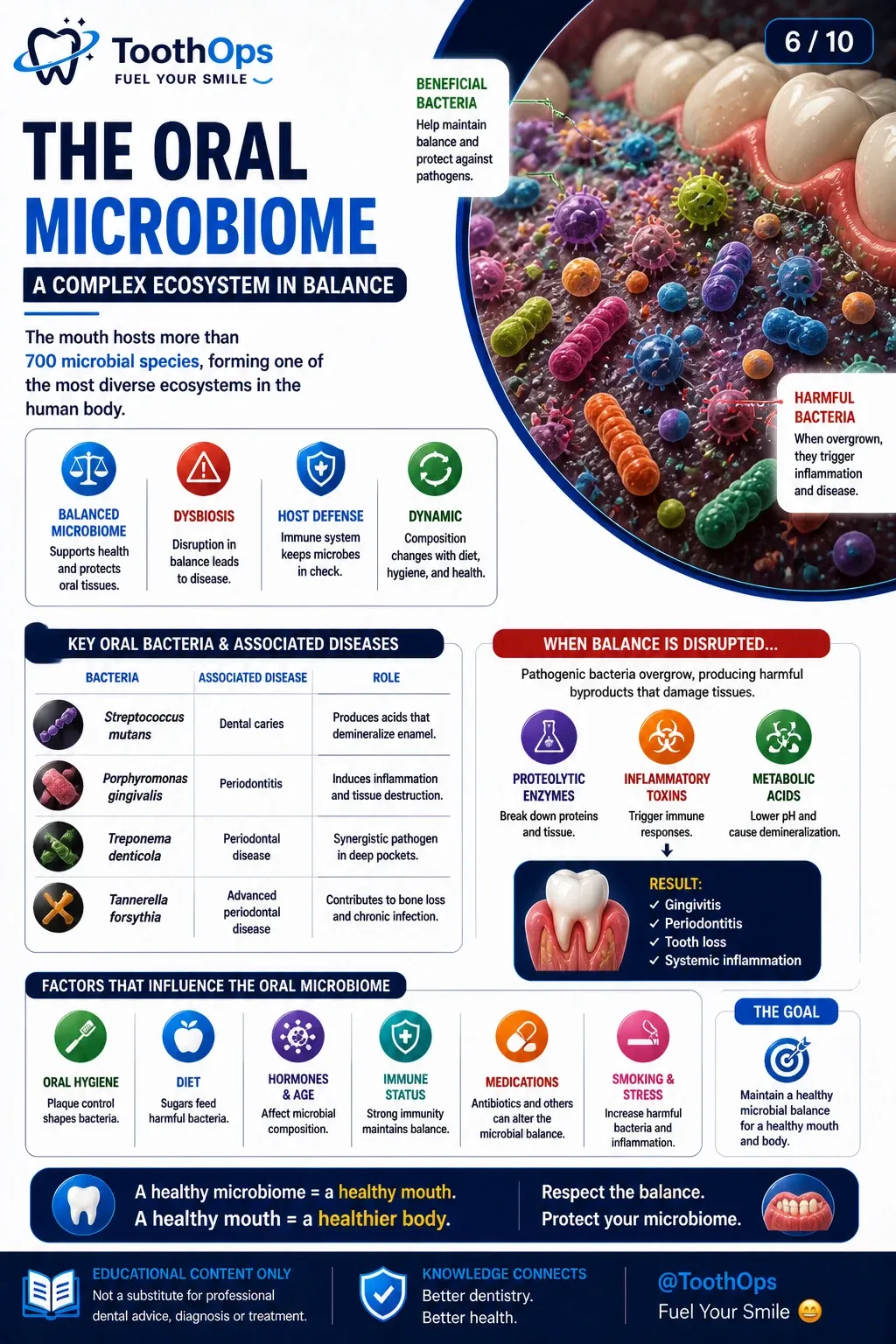
The mouth hosts more than 700 microbial species, forming one of the most complex microbial ecosystems in the body.
Key Oral Bacteria
| Bacteria | Associated Disease |
|---|---|
| Streptococcus mutans | dental caries |
| Porphyromonas gingivalis | periodontitis |
| Treponema denticola | periodontal disease |
| Tannerella forsythia | advanced periodontal disease |
These bacteria produce:
🧪 proteolytic enzymes
☣️ inflammatory toxins
🧬 metabolic acids
When microbial balance is disrupted, inflammation begins.
🔥 The Biology of Inflammation in Oral Disease
Inflammation is the body’s protective response to infection or injury.
Several chemical mediators regulate this response.
Key Inflammatory Mediators
| Mediator | Source | Function |
|---|---|---|
| Histamine | mast cells | vasodilation |
| Prostaglandins | cell membranes | pain and inflammation |
| Cytokines (IL-1, TNF-α) | macrophages | immune signaling |
| Complement proteins | plasma | bacterial destruction |
These mediators cause the classic signs of inflammation:
🔴 redness
💧 swelling
🔥 heat
⚡ pain
Clinically, this process appears as gingivitis or periodontal inflammation.
🧬 The Biology of Wound Healing in Oral Tissues
Oral tissues possess remarkable regenerative capacity.
Healing occurs in four major biological stages.
Stages of Oral Wound Healing
| Phase | Biological Events |
|---|---|
| 🩸 Hemostasis | blood clot formation |
| 🛡️ Inflammation | immune response |
| 🌱 Proliferation | tissue regeneration |
| 🔧 Remodeling | tissue strengthening |
🩸 Phase 1: Hemostasis (Stopping Bleeding)
The first response to injury is hemostasis, which prevents blood loss.
The process includes:
1️⃣ vessel spasm (vasoconstriction)
2️⃣ platelet plug formation
3️⃣ blood coagulation
4️⃣ clot retraction
5️⃣ clot dissolution
Platelets release molecules essential for healing:
• ADP
• thromboxane A₂
• serotonin
• calcium ions
• clotting factors
These molecules activate surrounding platelets and initiate clot formation.
🩸 The Blood Clotting Cascade
Blood coagulation occurs through two main pathways.
Clotting Pathways
| Pathway | Trigger |
|---|---|
| Extrinsic pathway | tissue injury |
| Intrinsic pathway | blood contacting collagen |
| Common pathway | fibrin clot formation |
Both pathways ultimately produce thrombin, which converts fibrinogen into fibrin fibers that stabilize the clot.
Calcium ions are essential for multiple steps of the clotting cascade.
This system protects the body from excessive bleeding after injury or surgery.
🛡️ Phase 2: Inflammation
After bleeding stops, the immune system begins clearing pathogens and damaged tissue.
White blood cells migrate to injured tissue through a process called diapedesis, where immune cells move through blood vessel walls into the site of injury.
First Responders
| Cell | Role |
|---|---|
| Neutrophils | destroy bacteria |
| Macrophages | remove debris and coordinate repair |
Neutrophils are typically the first immune cells to arrive, followed by macrophages that guide the healing process.
🌱 Phase 3: Tissue Proliferation
During this stage, new tissue begins forming.
Important processes include:
• fibroblast migration
• collagen synthesis
• angiogenesis (new blood vessels)
• epithelial regeneration
Fibroblasts produce collagen that forms the structural framework of healing tissue.
Epithelial cells migrate across the wound surface to restore the protective barrier.
🔧 Phase 4: Tissue Remodeling
The final stage strengthens the repaired tissue.
During remodeling:
• collagen fibers reorganize
• tissue tensile strength increases
• blood vessels stabilize
Oral tissues often heal faster than skin and with minimal scarring.
This rapid healing is influenced by:
• rich vascular supply
• saliva-derived growth factors• rapid epithelial turnover
🦴 Bone Biology in Dentistry
The jawbone is constantly undergoing bone remodeling.
Two major cell types regulate this process.
| Cell | Function |
|---|---|
| Osteoblasts | build bone |
| Osteoclasts | resorb bone |
Periodontal disease stimulates osteoclast activity, leading to alveolar bone loss.
This explains clinical findings such as:
• tooth mobility
• periodontal pockets
• eventual tooth loss
🧠 Dental Pulp Biology
The dental pulp is a specialized neurovascular connective tissue located within the tooth.
Functions of Dental Pulp
| Function | Description |
|---|---|
| Sensory | detects pain and temperature |
| Nutritive | supplies nutrients to dentin |
| Formative | produces dentin |
| Defensive | immune response |
Odontoblasts produce secondary dentin throughout life, helping protect the pulp.
🩸 Blood and Immune Cell Biology
Blood is a connective tissue composed of plasma and cellular elements.
It performs three essential functions:
1️⃣ transportation of nutrients and oxygen
2️⃣ regulation of body homeostasis
3️⃣ protection through immune defense and clotting
Blood Components
| Component | Function |
|---|---|
| Red blood cells | oxygen transport |
| White blood cells | immune defense |
| Platelets | clot formation |
| Plasma proteins | maintain fluid balance |
Platelets normally circulate in large numbers and are essential for preventing excessive bleeding.
🧬 Oral Manifestations of Systemic Disease
The mouth often reveals signs of systemic disease because oral tissues are highly vascularized and rapidly regenerating.
🍬 Diabetes
Oral findings may include:
• severe periodontal disease
• delayed wound healing
• dry mouth (xerostomia)
• increased infection risk
Chronic periodontal inflammation can also worsen glycemic control.
🩸 Blood Disorders
Several hematologic conditions appear in oral tissues.
| Disorder | Oral Findings |
|---|---|
| Iron deficiency anemia | pale mucosa |
| Leukemia | gingival enlargement |
| Thrombocytopenia | spontaneous bleeding |
| Vitamin B12 deficiency | burning tongue |
Low platelet levels can lead to excessive bleeding during dental procedures.
🧪 Liver Disease
The liver plays a major role in metabolism and clotting.
Key functions include:
• synthesis of plasma proteins
• detoxification of drugs
• production of clotting factors
• storage of vitamins and minerals
Liver disease may lead to:
• yellow discoloration of tissues (jaundice)
• increased bleeding
• altered drug metabolism
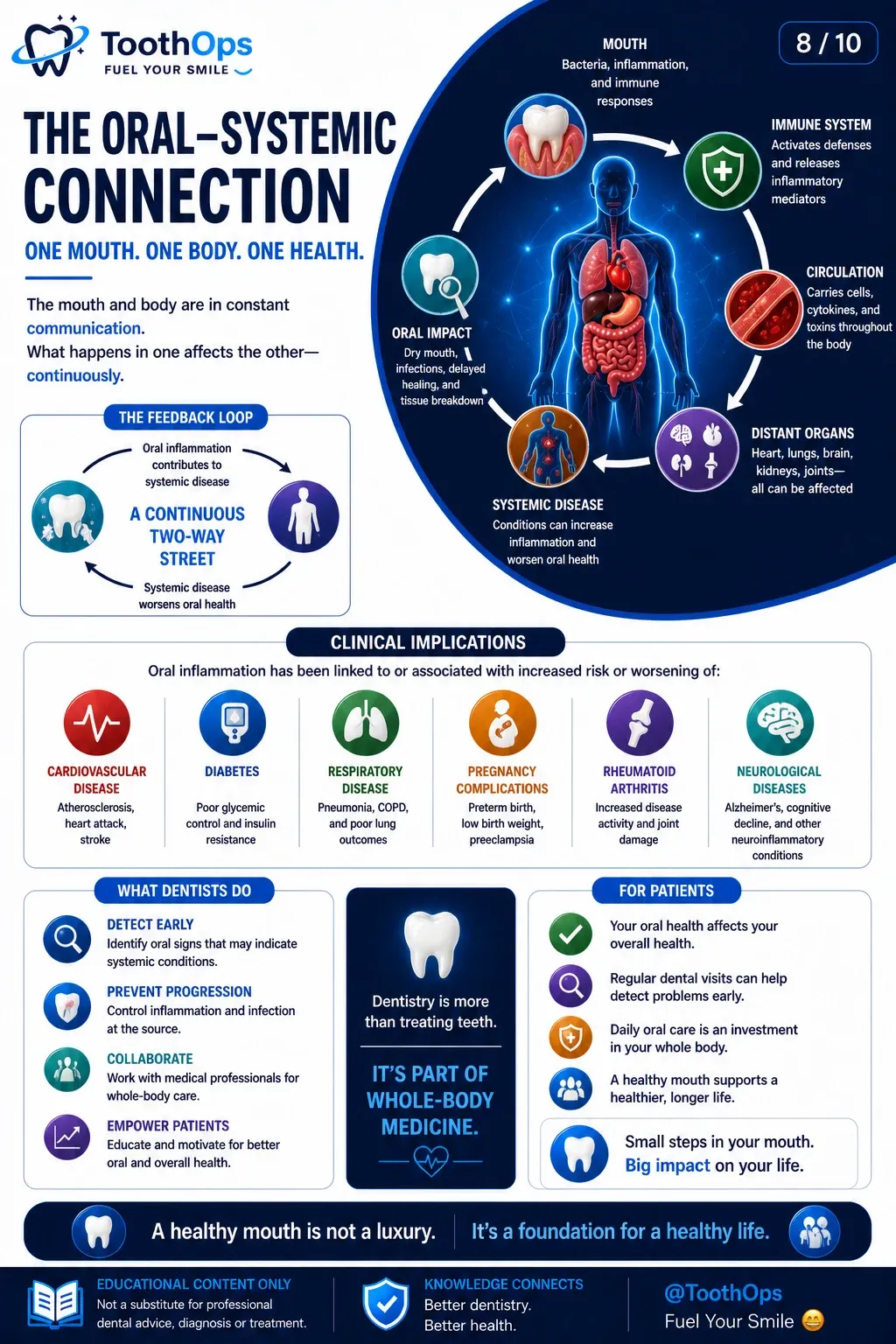
🌍 The Oral-Systemic Health Connection
Modern research highlights strong links between oral health and systemic disease.
Conditions Linked to Periodontal Disease
| Systemic Disease | Possible Mechanism |
|---|---|
| Cardiovascular disease | systemic inflammation |
| Diabetes | impaired immune regulation |
| Rheumatoid arthritis | immune cross-reactivity |
| Alzheimer’s disease | inflammatory pathways |
| Pregnancy complications | inflammatory cytokines |
This relationship is called the oral-systemic axis.
Oral inflammation can influence systemic health, and systemic disease can influence oral tissues.
🧬 Regenerative Dentistry
Modern dentistry increasingly uses regenerative technologies.
Emerging therapies include:
• platelet-rich fibrin (PRF)• platelet-rich plasma (PRP)• stem-cell-based regeneration• bone grafting technologies
Platelets release growth factors that stimulate tissue regeneration and accelerate healing.
🏥 Dentistry in Clinical Medicine
Dentists frequently treat patients with complex medical conditions.
Before treatment, clinicians evaluate:
🩸 Bleeding Risk
• anticoagulant medications
• bleeding disorders
• liver disease
• platelet abnormalities
🦠 Infection Risk
• diabetes
• immune suppression
• chemotherapy
🌱 Healing Risk
• smoking
• vascular disease
• nutritional deficiencies
This highlights that dentistry requires deep knowledge of systemic physiology.
🚑 Medical Emergencies in Dentistry
Dentists are trained to manage medical emergencies including:
• fainting (syncope)
• hypoglycemia
• allergic reactions
• airway obstruction
• anaphylaxis
Understanding systemic physiology is essential for patient safety in clinical practice.
🥗 Nutrition and Oral Health
Nutritional deficiencies often manifest in oral tissues.
| Nutrient Deficiency | Oral Signs |
|---|---|
| Vitamin C | bleeding gums |
| Iron | glossitis |
| Vitamin B12 | burning tongue |
| Vitamin D | bone weakness |
Proper nutrition supports both oral and systemic health.
🧠 Dentistry as Preventive Medicine
Dentists see patients regularly, often every six months.
Because of this, dentists frequently identify early warning signs of disease.
Dentists may detect:
• oral cancer
• diabetes symptoms
• nutritional deficiencies
• immune disorders
Early detection dramatically improves health outcomes.
🌱 Final Perspective
Dentistry is far more than repairing teeth.
It integrates knowledge from:
• immunology
• microbiology
• hematology
• endocrinology
• bone biology
• regenerative medicine
🧠 The mouth is not separate from the body.
It is a biological window into systemic health.
When we understand the science behind oral healing, inflammation, and disease, dentistry becomes what it truly is:
✨ A vital part of whole-body medicine.
@ToothOps | Fuel Your Smile 😊
Stay tuned for more insights and educational content in our blog.
Disclaimer: Content is for educational purposes only and not a substitute for medical or dental care.
© 2025 ToothOps | All Rights Reserved.